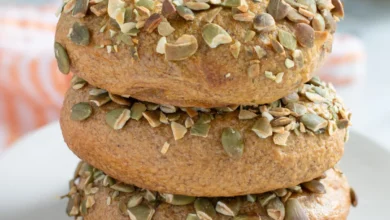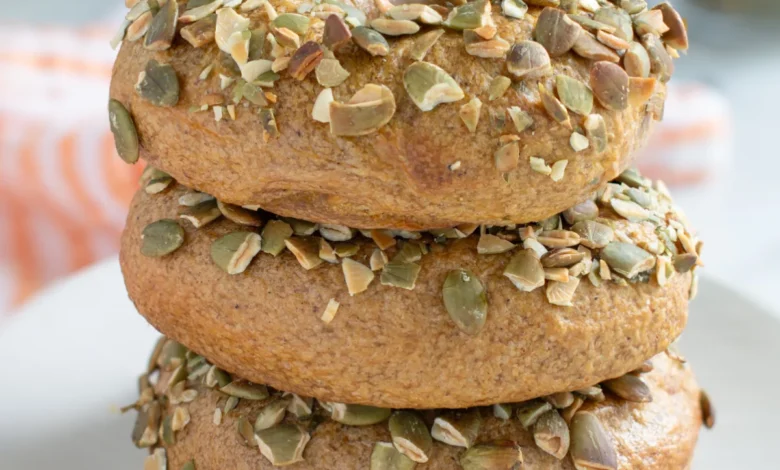
The convergence of traditional fermentation techniques and seasonal ingredients has led to a rise in sophisticated home-baking trends, most notably with the development of sourdough-based pumpkin bagels. This culinary shift moves away from commercial yeast-leavened products, favoring the complex flavor profile and superior texture achieved through wild yeast fermentation. By utilizing an active sourdough starter as the primary leavening agent, bakers can produce a bagel that retains the quintessential New York-style density and chew while incorporating the earthy, subtle sweetness of real pumpkin purée.
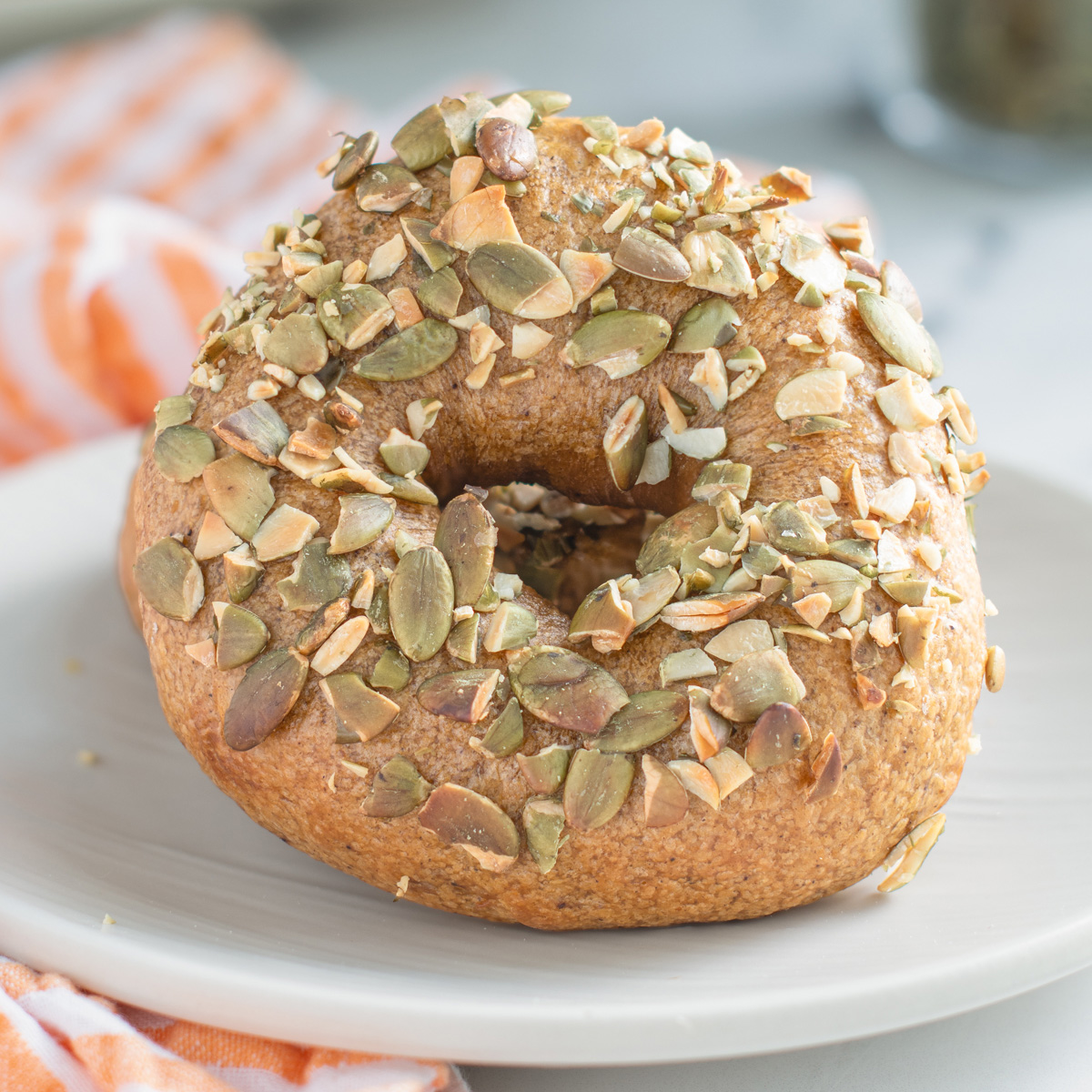
The Science of Enriched Sourdough Fermentation
The production of these bagels represents a technical departure from standard "lean" sourdough breads. Traditional sourdough relies on a simple mix of flour, water, salt, and starter. However, the addition of pumpkin—a high-moisture, fibrous ingredient—and the inclusion of sweeteners like barley malt syrup create what food scientists categorize as an "enriched dough."
From a biochemical perspective, the introduction of pumpkin and sugar alters the osmotic pressure within the dough. These ingredients, combined with warm spices, act as natural retardants to yeast activity. Consequently, the fermentation timeline must be adjusted. While a lean dough might reach peak fermentation in four to six hours, this pumpkin-infused variant requires a more nuanced approach, often spanning a two-day period. This extended fermentation is critical; it allows the lactic acid bacteria within the starter to fully break down the complex starches in the flour, resulting in improved digestibility and the characteristic tang that defines the sourdough category.
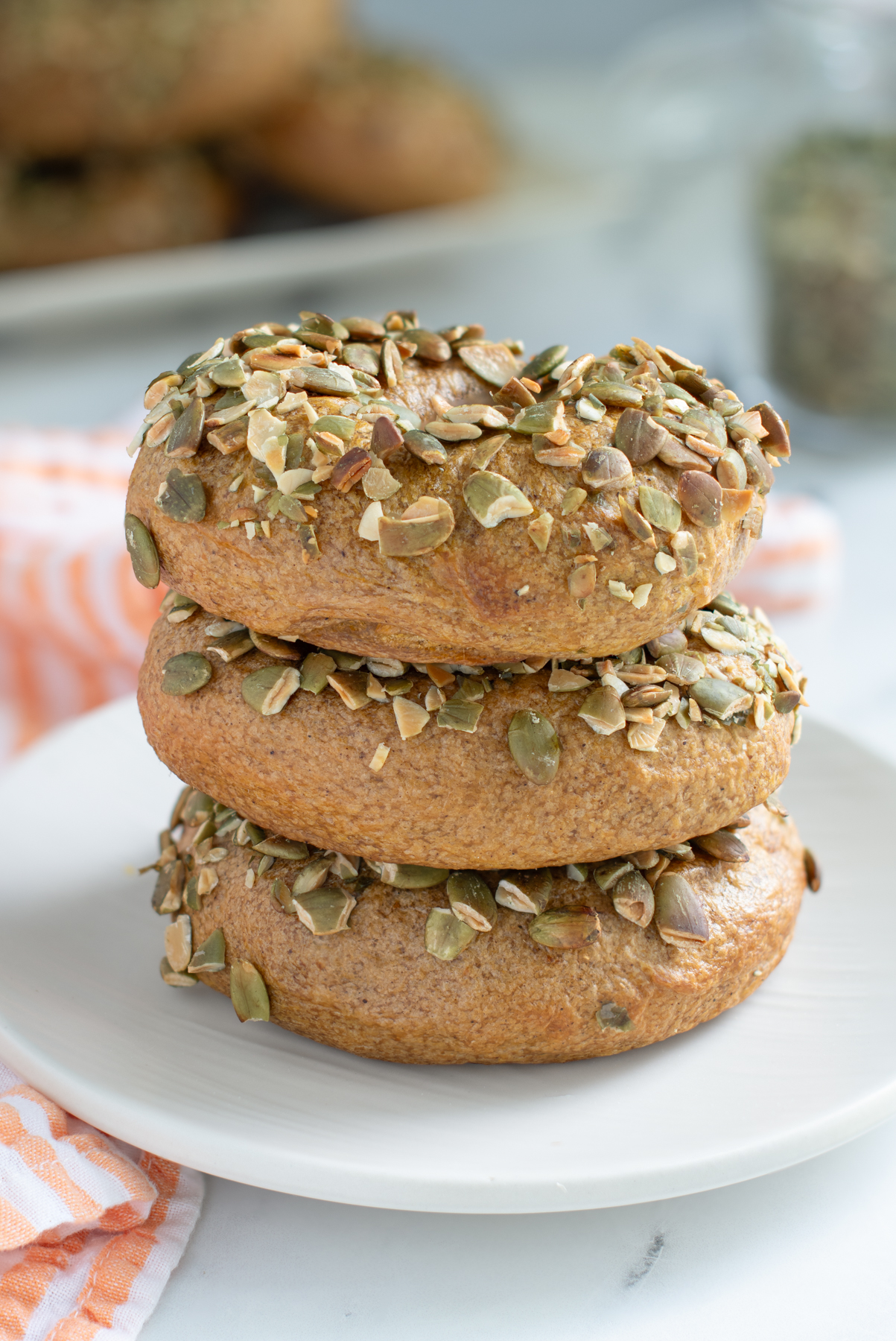
Chronology of the Two-Day Baking Cycle
The preparation of these bagels is dictated by the natural life cycle of a sourdough culture. A structured timeline is essential for achieving the optimal balance between the pumpkin’s flavor and the integrity of the gluten network.
Day One: Activation and Development
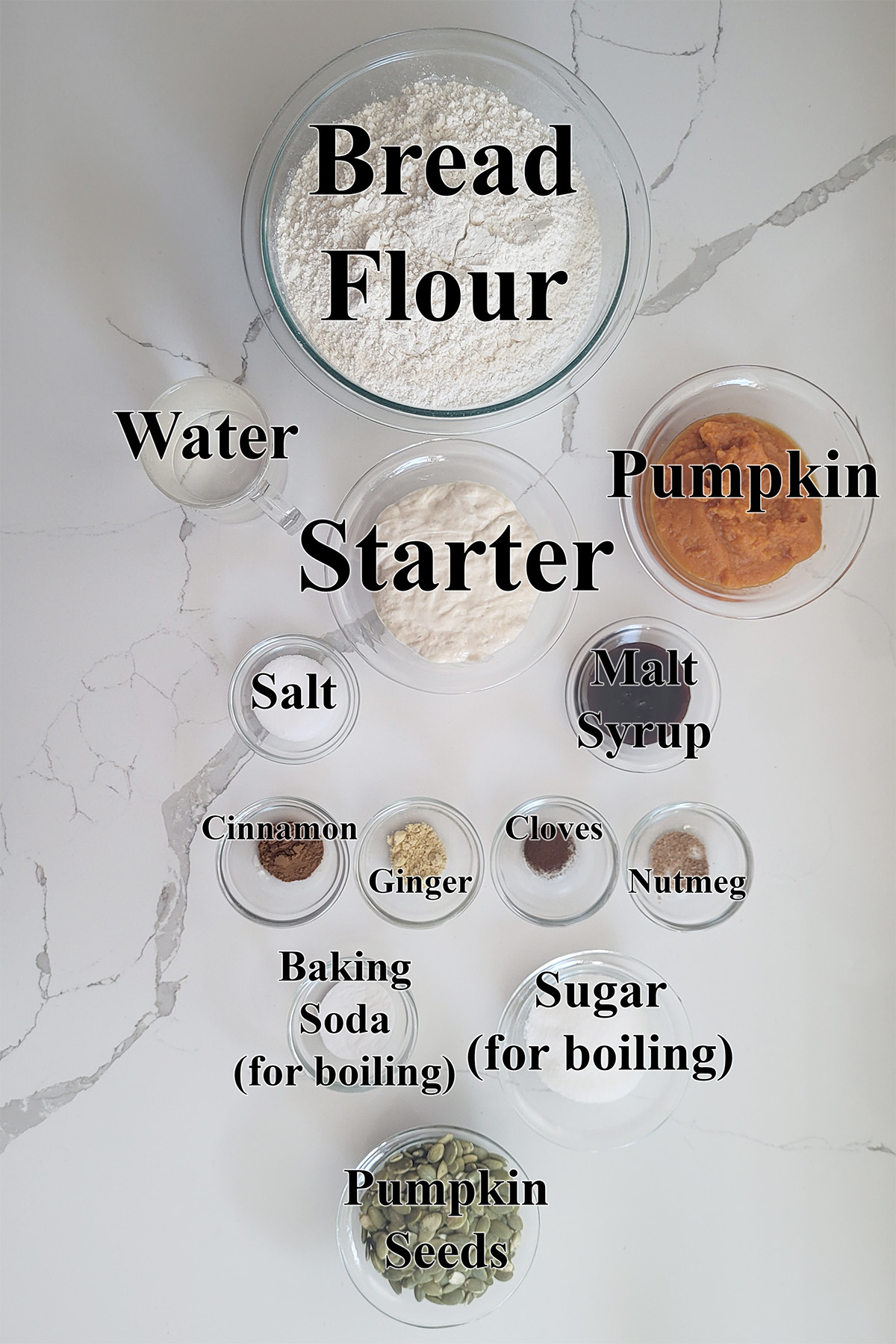
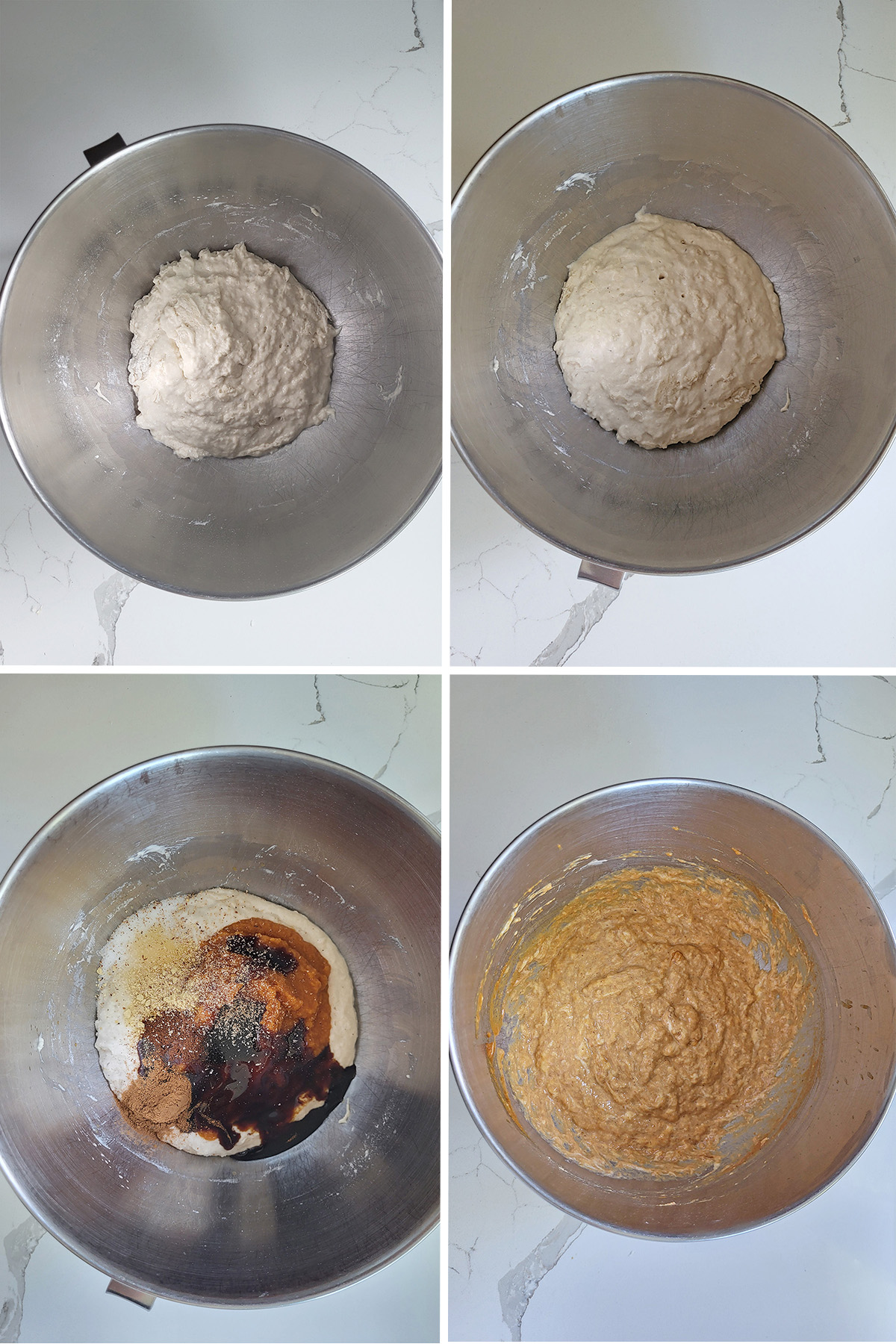
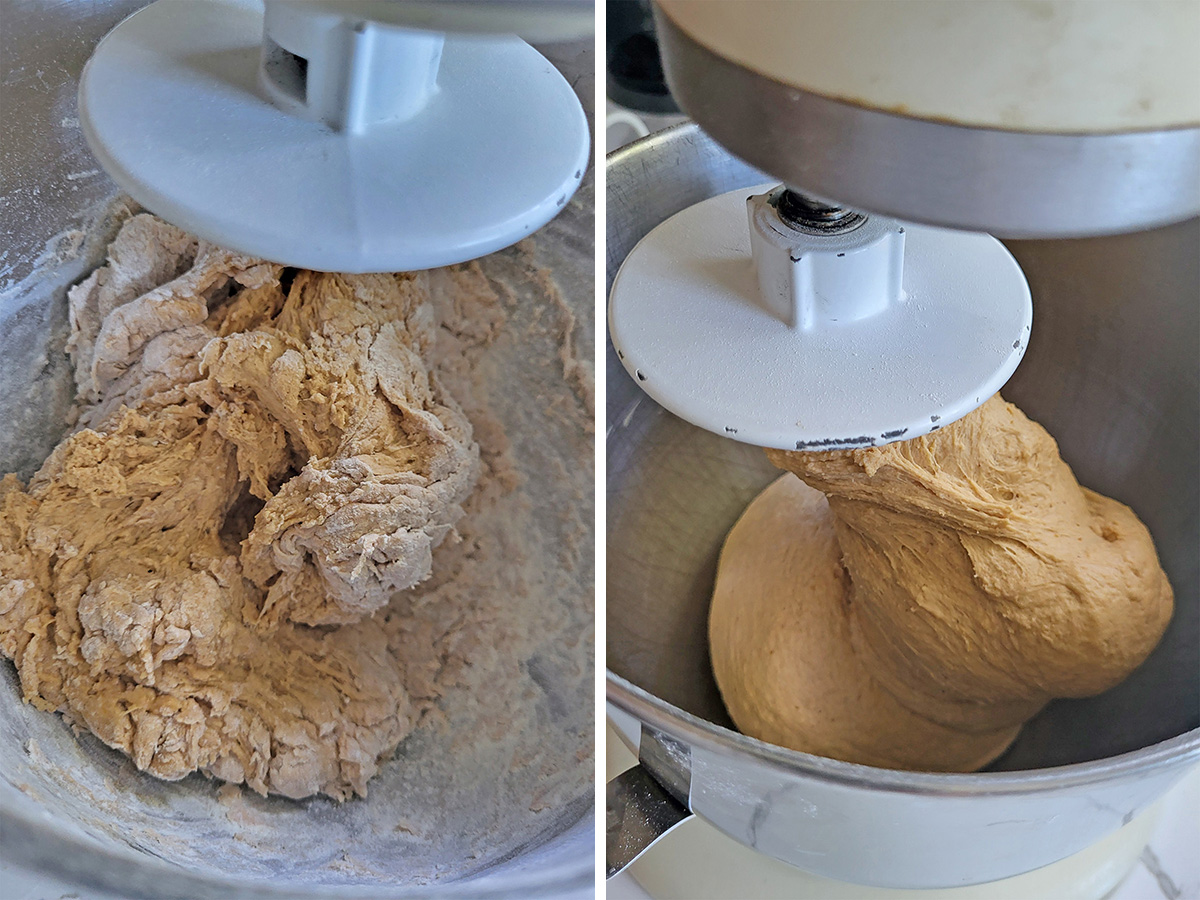
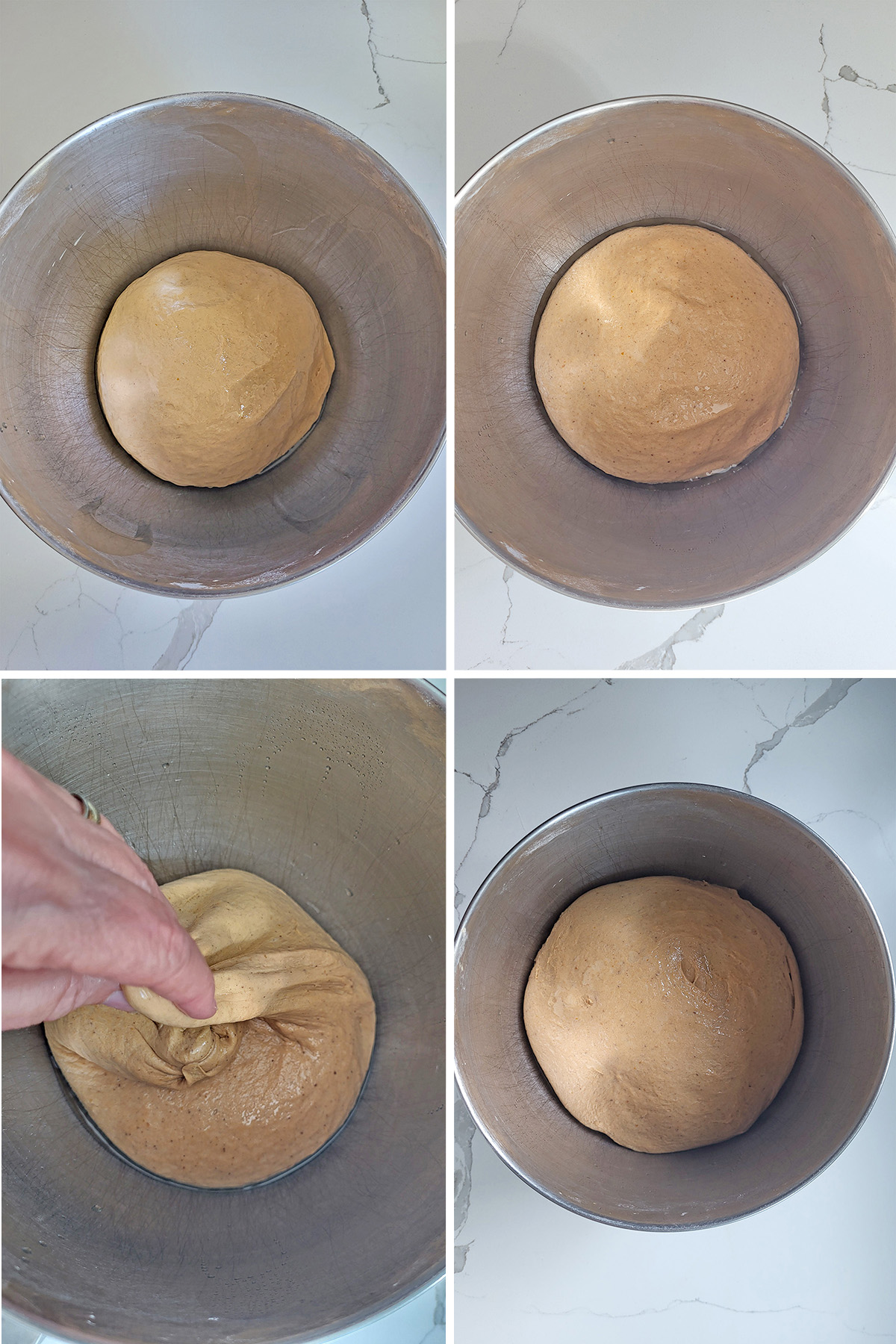
The process begins with the "levain" or the feeding of the sourdough starter. To ensure maximum lift, the starter must be at its peak activity level. Once mixed with flour, water, and pumpkin, the dough undergoes a bulk fermentation stage. During this phase, the baker typically performs a series of folds to strengthen the gluten structure without compromising the delicate aeration provided by the starter. This stage is primarily hands-off, allowing the enzymatic activity to naturally condition the dough.
Day Two: Shaping and Final Proofing
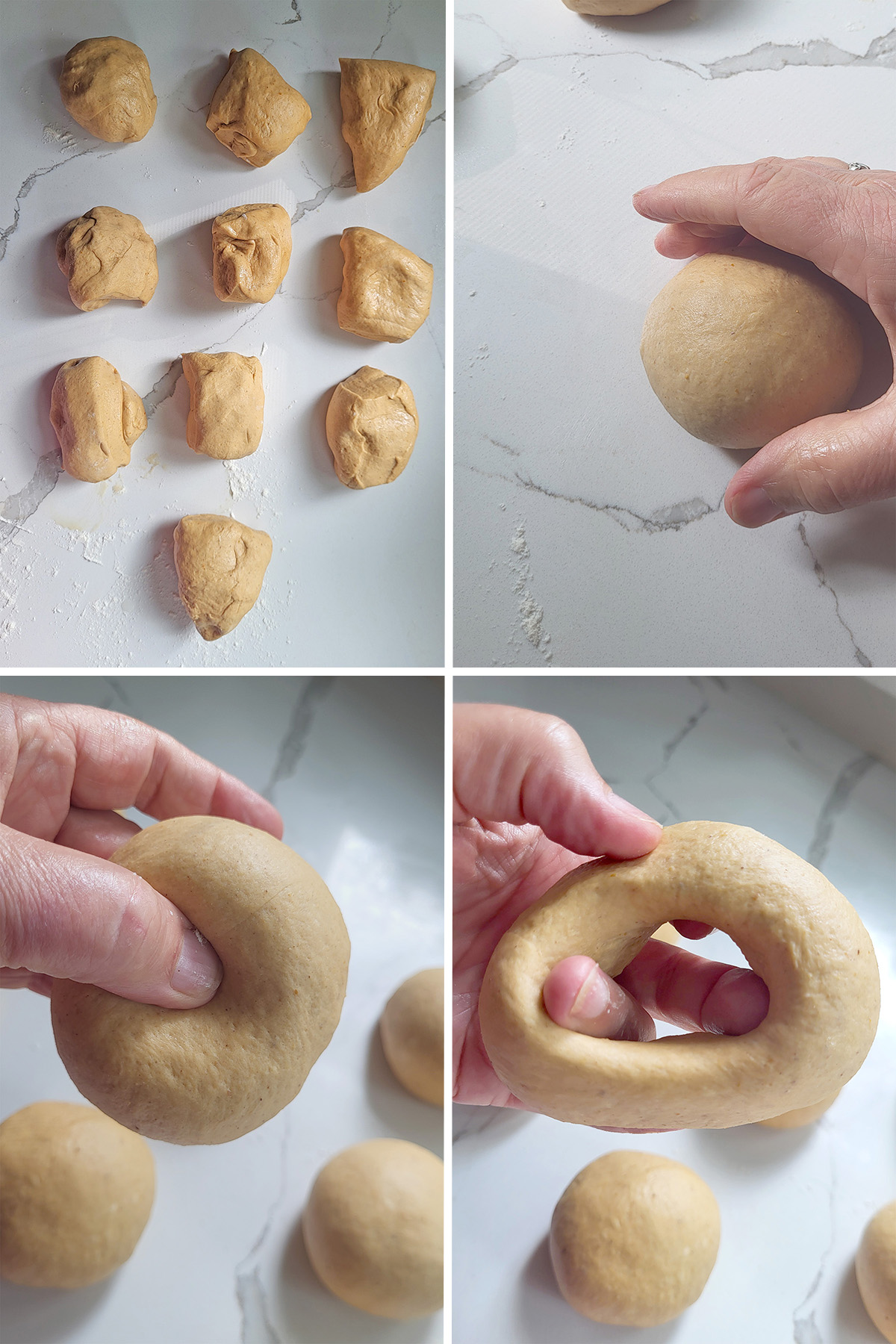
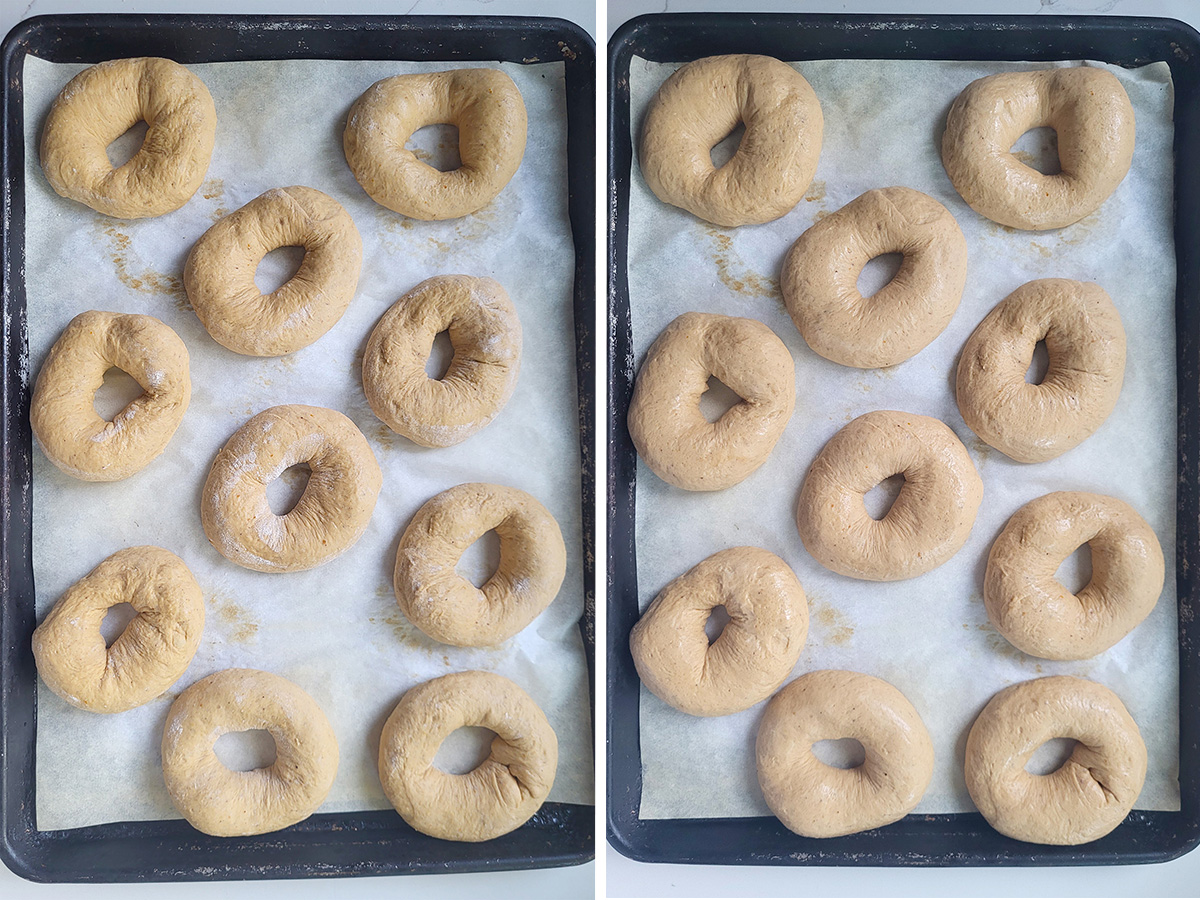
Following the bulk fermentation, the dough is divided and shaped into the traditional torus (ring) form. A crucial step in this stage is the "cold proof." By placing the shaped bagels in a refrigerated environment, the baker slows down the yeast activity significantly. This cold retardation is a hallmark of professional bagel production; it deepens the flavor profile, allowing the organic acids to develop fully, and results in a tighter, more blistered crust during the boiling and baking process.
Analytical Data on Ingredient Profiles
The nutritional and structural integrity of the sourdough pumpkin bagel is influenced heavily by the quality of the raw components. Data suggests that the inclusion of real pumpkin purée—rather than artificial flavoring—increases the moisture content, which, if not balanced with an appropriate protein-to-flour ratio, could result in a gummy texture.
According to culinary standards for this specific recipe, a 10-bagel yield contains approximately 331 calories per serving. The carbohydrate content sits at 58 grams, supported by 11 grams of protein. The use of barley malt syrup as a sweetener is not merely for taste; it provides essential sugars for the Maillard reaction during the high-heat baking phase, facilitating the deep, golden-brown exterior color. The spice profile—typically a blend of cinnamon, ginger, and nutmeg—is calibrated to provide aromatic depth without overpowering the sourdough’s acidity.
The Role of Boiling in Bagel Texture
A defining characteristic of the New York-style bagel is the boiling process. Before baking, the proofed rings are submerged in boiling water for a short duration. This step is functionally distinct from the subsequent oven bake. The boiling water gelatinizes the starch on the surface of the dough, creating a barrier that prevents the interior from expanding too rapidly in the oven. This results in the "chew" that consumers associate with high-quality bagels.
In the case of the pumpkin variety, the boiling water also helps to set the crust, preventing the pumpkin’s natural sugars from burning prematurely when exposed to the high heat of the oven (typically 400°F to 450°F).
Professional Perspectives and Consumer Impact
Culinary experts note that the rising interest in sourdough pumpkin bagels reflects a broader consumer trend toward "slow food." By rejecting commercial yeast—which can produce a bagel in under three hours—home bakers are opting for a process that prioritizes texture and digestive health.
"The move toward sourdough is not just about flavor; it is about reclaiming the craft of time-managed fermentation," says one expert in artisanal baking. "When you remove the commercial yeast, you are forced to engage with the chemistry of the flour and the temperature of your kitchen. The pumpkin adds a layer of difficulty because of its water content, making this a ‘mastery’ level bake for many enthusiasts."
Furthermore, the environmental and economic implications of such recipes are noteworthy. By using a sourdough starter, bakers reduce their reliance on store-bought yeast packets, promoting a self-sustaining kitchen ecosystem. The ability to use seasonal produce, such as pumpkin, encourages local sourcing and reduces food waste during peak harvest seasons.
Storage and Preservation Protocols
The absence of preservatives in a natural sourdough product necessitates specific storage protocols. Unlike commercial bagels, which may contain shelf-stabilizers, these sourdough pumpkin bagels are best consumed within 24 hours of baking.
If consumption is not immediate, the recommended procedure involves pre-slicing the bagels and storing them in an airtight, moisture-resistant bag. Freezing is the preferred long-term storage method, as it preserves the integrity of the crust and the moisture content of the crumb. When retrieved from the freezer, a light toast is sufficient to revitalize the texture, effectively simulating the "fresh-baked" state. Refrigeration is explicitly discouraged by professional bakers, as it promotes retrogradation—the process by which starch molecules crystallize, leading to a rapid staling of the bread.
Broader Implications for the Baking Industry
The proliferation of recipes that combine sourdough with seasonal fruits and vegetables indicates that the artisanal baking sector is evolving. It is no longer enough to produce a classic loaf; there is a growing demand for "functional" breads that incorporate vitamins and minerals from additives like pumpkin.
This trend has implications for how commercial bakeries might adjust their offerings. While mass production is often at odds with the two-day fermentation cycle, some boutique bakeries are experimenting with "cold-chain" distribution, where dough is retarded in refrigerated facilities to mimic the home-baking experience at scale.
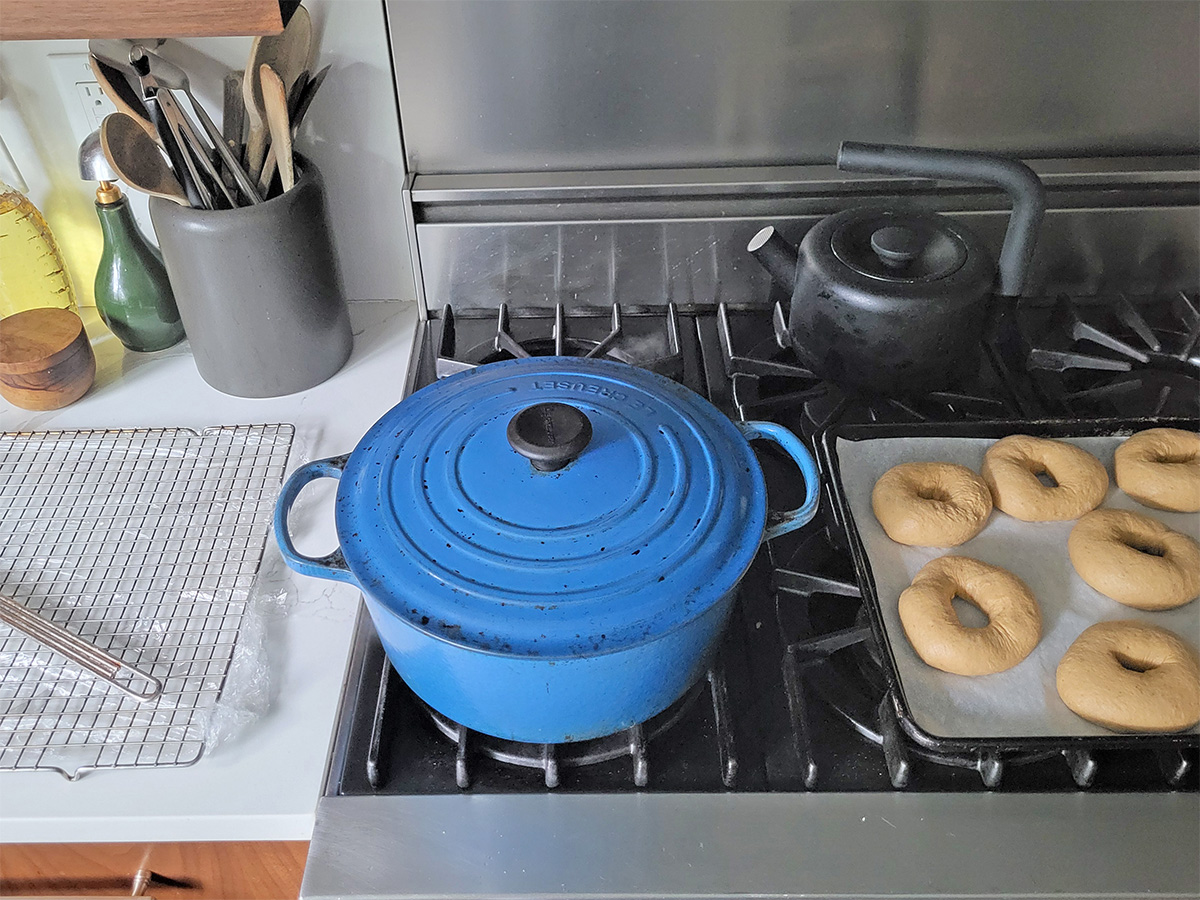
Ultimately, the sourdough pumpkin bagel serves as a case study in how ancient techniques can be successfully adapted to modern culinary preferences. It remains a testament to the fact that when time and quality ingredients are the primary variables, the resulting product offers a sensory experience that cannot be replicated by accelerated, industrial methods. As the cold weather season approaches, these bagels represent both a technical challenge for the proficient baker and a high-quality nutritional option for the health-conscious consumer.