Beyond the Principles: Why Outcome-Based Frameworks are Redefining the Future of Regenerative Agriculture

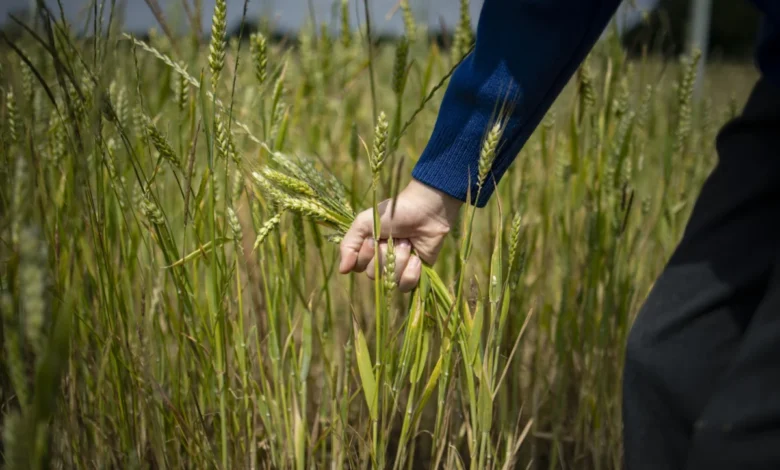
The global discourse surrounding regenerative agriculture has reached a critical inflection point, shifting from a focus on prescriptive practices toward a more rigorous, outcome-oriented methodology. For years, the movement was defined by a specific set of five core principles: minimizing soil disturbance, maintaining living roots, keeping the soil covered, increasing crop diversity, and integrating livestock. While these principles served as a vital entry point for farmers transitioning away from industrial, extractive systems, stakeholders across the agrifood sector now argue that they are insufficient to capture the complexity of the climate and biodiversity crises. The introduction of the Regen10 Outcomes Framework marks the first globally co-developed effort to establish a universal, outcome-based standard for what success in regenerative farming actually looks like.
A Paradigm Shift in Agricultural Assessment
The movement toward regenerative agriculture gained significant momentum during the COVID-19 pandemic, a period that exposed the fragility of global supply chains. As supermarket shelves stood empty and local food systems proved their resilience, a new generation of agricultural practitioners—including those transitioning from veterinary and scientific backgrounds—began to re-examine the purpose of land management. This period acted as a catalyst for a broader inquiry into how farming functions as a lever for environmental and social restoration.
The fundamental challenge in this transition has been the lack of a standardized language. Traditionally, "regenerative" has been a nebulous term, often co-opted by corporate marketing departments. By contrast, the Regen10 Outcomes Framework, anchored by the foundational work of the Global Farm Metric, moves the conversation toward verifiable performance. It treats farms not as static factories following a rigid protocol, but as dynamic, living systems shaped by local ecology, historical land use, and external economic pressures.
The Evolution of Regenerative Standards: A Chronology
To understand the necessity of this new framework, one must examine the timeline of agricultural standard-setting:
- Pre-2015: The rise of soil-health-focused advocacy, heavily influenced by the 4per1000 initiative, which highlighted the potential for soil organic matter to sequester atmospheric carbon.
- 2018–2020: The popularization of the "five principles" of regenerative agriculture at forums such as the Groundswell Festival. These principles provided the necessary practical guidance for early adopters.
- 2021–2022: A growing consensus among NGOs, policymakers, and academics that principles alone were insufficient to combat greenwashing. The need for a "shared vision" became a priority at major international summits, including COP26 and the UN Food Systems Summit.
- 2023–2024: The formal development and rollout of the Regen10 Outcomes Framework. This phase involved extensive global consultations, bridging the gap between Indigenous land management practices and modern scientific metrics.
Bridging the Gap: Data and Ecological Resilience
The significance of this transition is supported by compelling data regarding the state of global agriculture. According to the Food and Agriculture Organization (FAO), approximately 33% of the world’s soil is already moderately to highly degraded. The cost of this degradation is not merely lost yield; it represents a systemic failure to store water, harbor biodiversity, and regulate climate.
The Regen10 framework operates on the premise that a "one-size-fits-all" approach to practice is fundamentally flawed. For example, in a moisture-stressed environment, the traditional practice of maintaining permanent ground cover might inadvertently compete with crops for limited water resources. Under an outcome-based model, the success of the farmer is not measured by whether they kept the soil covered, but by whether they achieved a net positive result in water efficiency, soil carbon sequestration, and economic viability. By prioritizing these results, the framework empowers producers to exercise professional judgment while remaining accountable to global standards.
The Role of the Global Farm Metric
The integration of the Global Farm Metric (GFM) into the Regen10 framework is a strategic development. The GFM provides the measurement tools necessary to quantify the outcomes that the framework defines. This includes, but is not limited to, soil health indicators, nutrient density, biodiversity counts, and the social stability of farming communities.
Industry analysts suggest that by aligning with broader international agreements—such as the Sustainable Development Goals (SDGs) and the Kunming-Montreal Global Biodiversity Framework (GBF)—Regen10 is positioning agriculture as a central player in global sustainability. This alignment is crucial for attracting the capital necessary for the transition. Institutional investors and banks are increasingly wary of "black box" claims; they require transparent, measurable data that the GFM provides to verify that their capital is indeed fostering regeneration.
Official Responses and Stakeholder Engagement
The development of the framework involved a wide coalition of stakeholders, including Indigenous Peoples, whose traditional knowledge has informed modern regenerative practices for centuries.
"We are moving from a conversation about what you do to a conversation about what you achieve," noted one representative involved in the stakeholder consultation process. "When you ask a farmer, ‘Is your biodiversity thriving?’ rather than ‘Did you plant a cover crop?’, you start a conversation about the health of the entire ecosystem. This is a profound shift in accountability."
Conversely, some traditional industry groups have expressed concerns regarding the administrative burden of such measurement. However, proponents argue that the long-term economic gains—such as reduced reliance on expensive synthetic inputs and increased climate resilience—far outweigh the costs of implementation. The framework’s design specifically seeks to minimize this burden by creating a shared language that can be used across different regulatory and market environments.
The Broader Implications for Global Food Systems
The move toward outcome-based frameworks suggests a future where food systems are evaluated with the same rigor as energy or finance. If successfully implemented, this approach could solve several systemic issues:
- Reduced Greenwashing: By establishing clear, verifiable outcomes, companies can no longer rely on superficial labels to describe their supply chains.
- Policy Alignment: Governments can tie agricultural subsidies to measurable outcomes—such as improvements in water quality or carbon storage—rather than just land area or production volume.
- Community Restoration: The framework places a significant emphasis on social outcomes, including the prosperity of farming livelihoods and the revitalization of rural economies, acknowledging that true environmental regeneration is impossible without a healthy, viable human workforce.
Addressing the "Continuous State" of Regeneration
A central theme in the current discourse is the acknowledgment that "regeneration" is not a destination. No farm can ever reach a point of being "fully" regenerative, as ecosystems are in a constant state of flux. This reality renders the outcome-based approach more useful than a static certification.
Instead of asking if a farm has "arrived," the framework forces stakeholders to ask iterative, diagnostic questions: Is the trajectory of soil health upward? Are we seeing a measurable increase in the diversity of beneficial species? Is the farm’s economic model becoming more resilient to climate-induced shocks?
As the industry moves forward, the success of this framework will depend on its adoption by policymakers and the private sector. The integration of these metrics into international trade agreements and corporate sustainability reporting is the next logical step. By moving beyond the reliance on prescriptive principles, the global food system is finally beginning to develop the tools necessary to ensure that the promise of regenerative agriculture is translated into tangible, long-term impact for the planet and the people who inhabit it.
The Regen10 Outcomes Framework provides the map, but the path forward remains in the hands of the practitioners on the ground. By anchoring their work in shared, transparent outcomes, the agricultural sector is shifting from a fragmented collection of practices to a unified, evidence-based movement for global restoration.
Related posts: