The Legendary Nasi Lemak Tanglin: A Culinary Staple of Kuala Lumpur Since 1948

Nasi Lemak holds an undisputed status as Malaysia’s national dish, occupying a central place in the cultural and gastronomic identity of the nation. Spanning from Southern Thailand down through the Malay Peninsula and into Singapore, variations of this quintessential breakfast item are consumed by millions daily. While the dish appears deceptively simple—translating literally from Malay as "fat rice"—its preparation requires a meticulous balance of distinct flavors, textures, and aromatic ingredients. Among the myriad establishments offering this iconic comfort food, Nasi Lemak Tanglin, located within the Kompleks Makan Tanglin in Kuala Lumpur, stands as a historic and revered institution. Operating continuously since 1948, the stall has earned a reputation for serving one of the most authentic and sought-after plates of Nasi Lemak in the capital region, drawing crowds of locals and culinary tourists alike.
Historical Context and Origins of Nasi Lemak Tanglin
Established in the post-World War II era in 1948, Nasi Lemak Tanglin predates the independence of Malaysia by nearly a decade. Founded during a period of significant socio-economic rebuilding in British Malaya, the stall began as a humble roadside operation before eventually finding a permanent home in the Kompleks Makan Tanglin food complex. Over the span of more than seven decades, the culinary landscape of Kuala Lumpur has undergone massive modernization; however, Nasi Lemak Tanglin has maintained its core traditional recipes and preparation methods.
The longevity of the establishment is attributed to its strict adherence to traditional cooking techniques, particularly the preparation of its foundational components. The rice is steeped in rich coconut milk and infused with fresh pandan leaves to achieve its signature fragrance and soft texture. Complementing the rice are traditional accompaniments: crunchy salted fish, fried peanuts, fresh cucumber slices, and a painstakingly prepared sambal. The sambal—a chili-based paste that requires hours of reduction—balances heat, sweetness, and tanginess, serving as the critical binding element for the entire dish.
Operational Dynamics and Daily Routines

Operating daily from 7:00 AM until 1:00 PM, Nasi Lemak Tanglin experiences an intense morning rush that regularly results in complete sell-outs well before the designated closing time. Patrons arriving after 11:30 AM frequently find that the rice and primary ingredients have been entirely depleted, a testament to the high demand and consistent quality maintained by the kitchen staff.
The bustling environment of Kompleks Makan Tanglin encapsulates the vibrant open-air hawker culture characteristic of urban Malaysia. On a typical trading day, hundreds of diners navigate the packed parking facilities and communal seating areas. To enhance the dining experience, the venue occasionally features live musical performances, including renditions of "Pop Yeh Yeh," a distinctive genre of Malay pop and psychedelic rock popular in Singapore and Malaysia during the 1960s. This cultural backdrop complements the culinary offering, creating a dynamic communal space that bridges generations of Kuala Lumpur residents.
Gastronomic Offerings and Customization

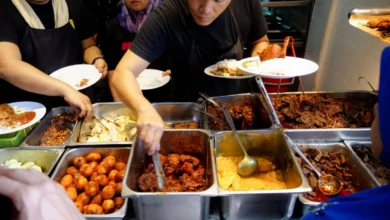
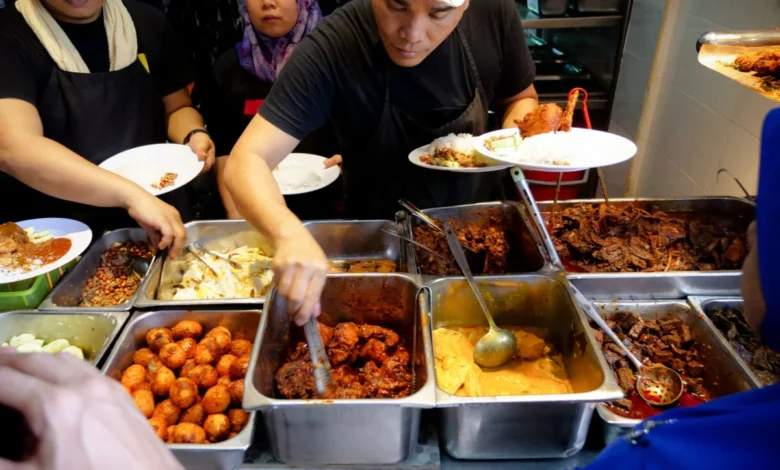
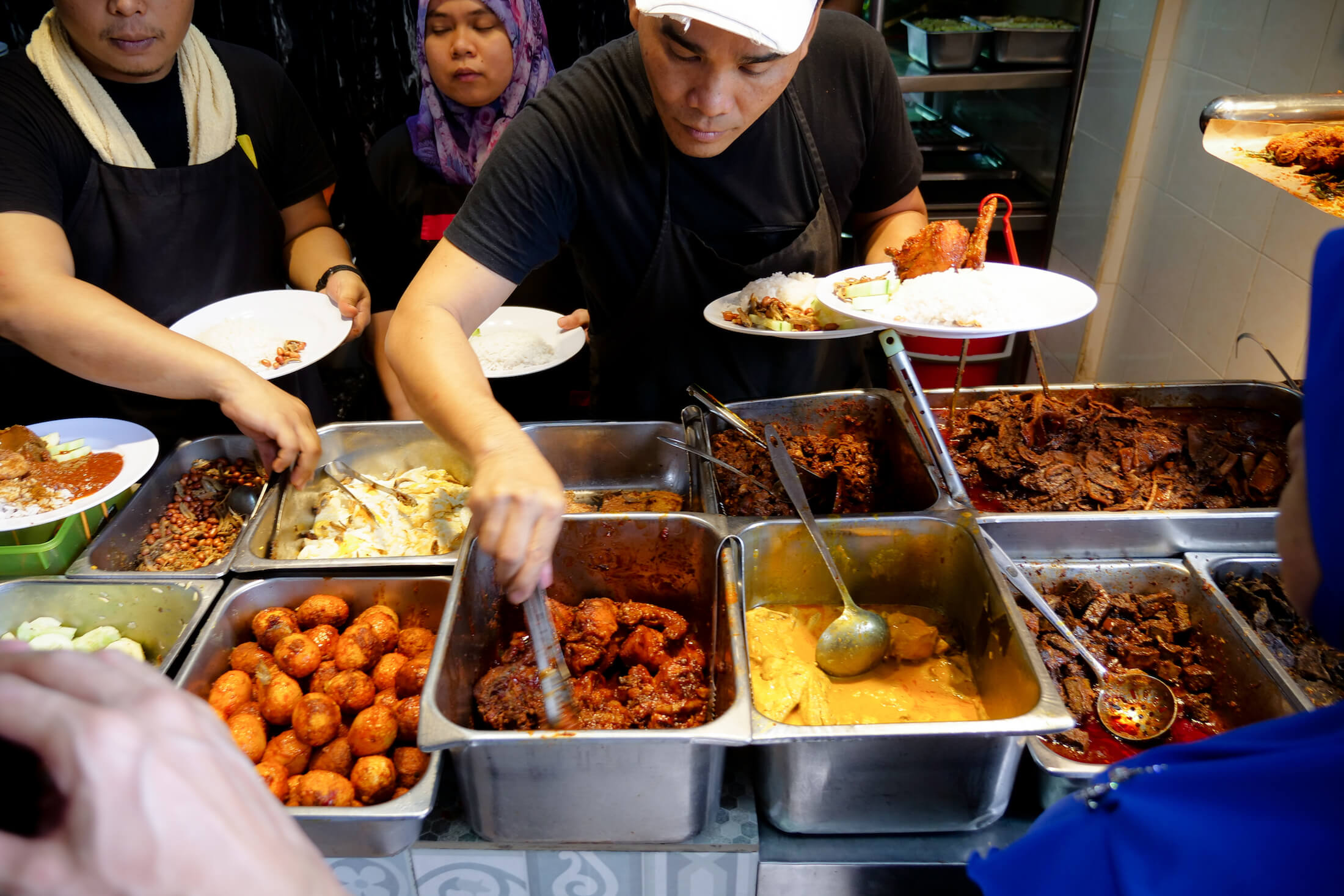
The ordering process at Nasi Lemak Tanglin reflects traditional Malaysian hawker center mechanics. Customers queue at the service counter to receive a base portion of coconut rice, onto which they select a variety of curries, proteins, and supplemental side dishes. The establishment offers an extensive menu of accompaniments beyond the standard fare, including beef rendang, cockles, and specialized offal preparations.
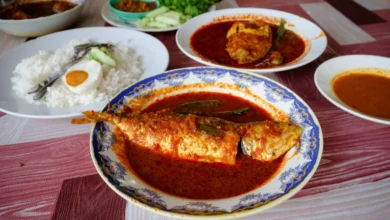
Culinary historians and local food critics frequently highlight the establishment’s beef spleen (kolong and related offal dishes) as a signature specialty. Prepared by simmering in a thick, dark brown spice-and-curry reduction, the spleen yields a rich, velvety texture that absorbs the complex flavors of the gravy. Additional protein options, such as beef rendang, are often accompanied by an extra ladle of concentrated curry broth, poured generously over any remaining exposed rice. The meal is conventionally completed with a fried egg, a universally utilized addition that enriches the overall dish. While modern dining trends often favor single-use plates or traditional banana leaf packaging, Nasi Lemak Tanglin utilizes reusable ceramic and melamine plates, aligning with broader municipal and national initiatives to reduce disposable plastic waste and curb environmental degradation in protected jungle habitats where banana leaves are harvested.
Economic Accessibility and Affordability

As a cornerstone of Malaysian cuisine, Nasi Lemak exemplifies accessibility across various socio-economic demographics. At Nasi Lemak Tanglin, pricing remains highly economical, reflecting the traditional role of hawker food as an affordable daily sustenance option for the general public. A foundational plate of Nasi Lemak starts at approximately 2 Malaysian Ringgit (MYR), with individual protein additions, such as meats and eggs, ranging between 1 and 5 MYR. A comprehensive meal for a group of four diners typically amounts to approximately 35 MYR (roughly equivalent to $8.50 USD). This cost structure ensures that high-quality, culturally significant cuisine remains accessible to locals and budget-conscious travelers alike.
Socio-Cultural Implications and Tourism Impact
Food tourism plays a vital economic and cultural role in Malaysia, with Kuala Lumpur recognized globally as a premier destination for street food and hawker fare. Establishments like Nasi Lemak Tanglin function not merely as commercial dining venues, but as cultural preservation sites that safeguard intangible heritage through culinary arts.

The sustained popularity of the stall underscores a broader consumer preference for authentic, traditional dining experiences in an era dominated by commercialization and fast-food chains. By maintaining operations at its original site for over 75 years, Nasi Lemak Tanglin contributes significantly to the culinary identity of the Federal Territory of Kuala Lumpur, attracting international researchers, travel writers, and food enthusiasts interested in the socio-cultural history of Malaysian cuisine.
Conclusion and Visitor Information
Nasi Lemak Tanglin remains an essential destination for those seeking to understand the depth and history of Malaysian gastronomy. Its combination of historical pedigree, consistent culinary execution, and affordable pricing secures its position as a landmark institution in the capital.
- Name: Nasi Lemak Tanglin
- Location: Kompleks Makan Tanglin, Kuala Lumpur, Malaysia
- Operating Hours: Daily, 7:00 AM – 1:00 PM (Early arrival recommended due to daily sell-outs)
- Pricing: Base dishes start at 2 MYR; total meal costs vary from 3 MYR to 15 MYR per person depending on protein selections.