The Great Food Industry Sustainability Retreat: Fact, Fiction, and Greenhushing in Corporate America

For years, the public-facing rhetoric of the American food industry was dominated by the urgent vocabulary of the climate crisis. From fast-food giants to multinational ingredient manufacturers, companies rushed to publish ambitious pledges regarding carbon neutrality, water conservation, and supply chain decarbonization. Cargill promised to transition millions of acres to regenerative agriculture; Nestlé vowed to eliminate deforestation in its supply chains; Sodexo and various fast-casual chains committed to reducing their carbon footprints through plant-forward menu options.
However, a noticeable shift has occurred in public corporate discourse. As wellness trends spearheaded by the Make America Healthy Again (MAHA) movement and clean-eating influencers capture the cultural zeitgeist—directing consumer attention toward individual dietary components like seed oils, protein content, and additives—environmental buzzwords have largely vanished from consumer-facing marketing. Headlines from mid-2025 through mid-2026 revealed a troubling trend: multiple consumer packaged goods (CPG) companies and major meatpacking corporations, such as JBS, began rolling back or officially abandoning their long-term net-zero carbon and deforestation targets.
This apparent quietude has led many observers to wonder whether the food sector has completely abandoned its sustainability commitments. A deeper investigation into industry practices, however, reveals a more nuanced reality. While public-facing environmental campaigns have retreated, much of the foundational work continues behind closed doors—a phenomenon increasingly known in corporate circles as "greenhushing."
The Rise of Greenhushing and the Political Climate
To understand the current state of corporate environmentalism, one must examine the shifting political and cultural landscape of the mid-2020s. Following a decade of heightened consumer awareness sparked by global warming activism and United Nations Sustainable Development Goals introduced in the mid-2010s, the political atmosphere has grown increasingly adversarial toward federal environmental regulations. With government databases scrubbed of climate data and regulatory pushback intensifying, corporations face unprecedented pressures.
Many organizations now fear direct federal backlash, regulatory investigations, or consumer boycotts if they prominently advertise their climate goals. Consequently, they have adopted greenhushing: continuing their internal sustainability initiatives while intentionally muting their public declarations.
According to Isaac Emery, a project director at environmental consulting firm WSP, the corporate response varies widely. "We have seen companies that had planned changes back off or retract a little bit," Emery notes. "We’ve worked with companies that simply rebranded their changes or are reframing how they’re talking about them internally or to the public, but are still fundamentally doing the same good work. And some companies that you wouldn’t necessarily expect are really driven to make positive change and are really excited about the work that they do."
A Brief Chronology of Corporate Sustainability
The trajectory of environmental commitments in the food sector can be broken down into distinct phases over the last two decades:
- Early 2000s to Early 2010s: Rising public anxiety over global warming drives consumer demand for corporate accountability. Customers begin examining their carbon footprints, energy bills, and food purchasing habits, putting initial pressure on food manufacturers.
- Mid-2015s: Following the establishment of international climate frameworks and the United Nations Sustainable Development Goals, the food industry reaches a high-water mark for public commitments. Companies establish baseline metrics for Scope 1, Scope 2, and Scope 3 greenhouse gas (GHG) emissions.
- Late 2020 to 2023: Major food service providers, restaurants, and agricultural giants institutionalize lifecycle assessments (LCAs), integrating regenerative agriculture and plant-forward menu planning into standard operations. Scorecards from third-party certifiers track measurable progress, such as New York City public schools reducing per-student carbon emissions through increased plant-based menu options.
- 2025 to 2026: A convergence of anti-environment political rhetoric, shifting consumer wellness priorities (such as the MAHA movement’s focus on "real food" and protein), and extreme weather-related financial pressures lead to public rollbacks of climate targets. High-profile companies officially abandon net-zero deadlines while quietly maintaining operational efficiency metrics.
Climate Resilience as Business Survival
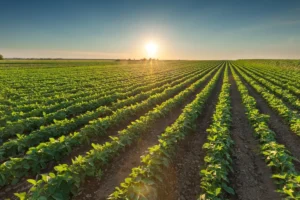
Despite the retreat from public-facing marketing campaigns, industry experts emphasize that financial imperatives will keep food companies anchored to sustainability practices. Agriculture—the foundational layer of every food business—is exceptionally vulnerable to the escalating impacts of climate change. Extreme weather events, persistent droughts, severe wildfires, loss of arable land to sea-level rise, soaring temperatures, and secondary issues like insect-borne crop diseases directly threaten corporate supply chains.
These vulnerabilities translate directly into balance-sheet liabilities. In the summer of 2026, prolonged global heatwaves forced food processors and restaurants to incur massive energy expenses for air conditioning, manage widespread employee absences due to heat-related illnesses, and absorb soaring food prices driven by crop failures and high fertilizer costs. Furthermore, agricultural disruptions have real public health consequences; for instance, widespread outbreaks such as the lettuce-linked cyclospora infections affecting tens of thousands of consumers underscore the systemic fragility of modern food production networks.
As a result, climate resilience has become synonymous with business resilience. Sustainable farming practices—such as cover cropping, low-till and no-till farming, and efficient water management—deliver dual benefits. They actively reduce carbon emissions while improving soil health, biodiversity, and water quality, ultimately lowering operational costs for farmers and food producers. By optimizing efficiency, companies can produce more food using fewer external inputs, thereby mitigating waste and shielding themselves against market volatility.
Decoding Corporate Reporting: Chipotle and McDonald’s
To evaluate the authenticity of ongoing sustainability initiatives, analysts look beyond consumer-facing advertisements and examine comprehensive corporate impact reports, shareholder disclosures, and lifecycle assessments (LCAs). These broader evaluations measure dozens of environmental impacts beyond carbon, including water usage, particulate air pollution, fertilizer runoff, and human health outcomes.
Chipotle Mexican Grill, a brand founded on planet-friendly values, maintains its commitment to reducing its GHG emissions by 50 percent by 2030, though this information is now relegated to the bottom of its corporate values page. The company’s recent sustainability data reveals tangible progress: a reported 17 percent reduction in Scope 1 and Scope 2 emissions, an increase to 81 percent renewable energy usage across its restaurants, and the deployment of high-efficiency equipment packages (HEEP)—such as low-carbon electric grills—in hundreds of locations.
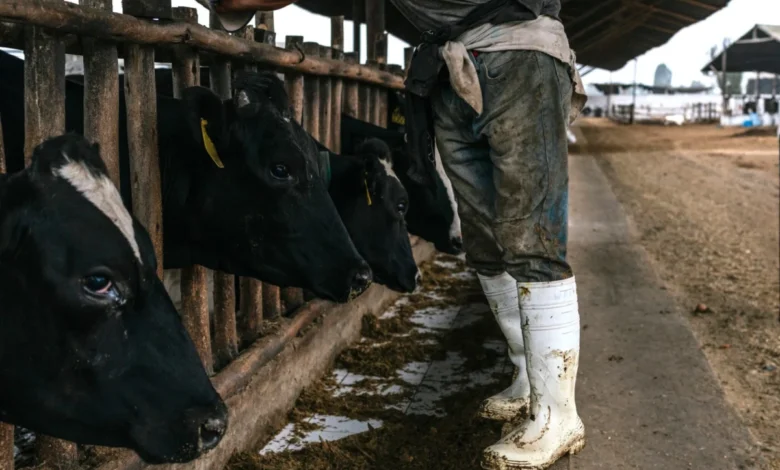
Conversely, legacy fast-food corporations like McDonald’s rarely advertise environmental activism to the general public, yet detail substantial investments in internal shareholder reports. McDonald’s Purpose and Impact Progress Reports highlight that nearly 91 percent of its primary packaging originates from recycled, renewable, or certified sources. Additionally, the company has experimented with electric vehicle delivery fleets in international markets and partnered with conservation organizations to restore thousands of acres of cropland into wildlife-friendly grasslands in Canada. However, critics note that such metrics must be contextualized against the massive environmental footprint of slaughtering millions of cattle annually for its core product lines.
The Future of Food Sector Sustainability
The transition away from public environmental messaging does not signal the death of corporate sustainability. Rather, it reflects a calculated pivot by executives navigating a polarized political climate and shifting consumer trends.
While everyday shoppers browsing supermarket aisles or ordering from digital menus may see fewer references to carbon offsets and regenerative agriculture, the underlying architecture of corporate supply chains is quietly evolving. Driven by shareholder accountability, risk management, and the stark economic realities of a warming planet, food companies continue to implement efficiency measures and reduction strategies behind the scenes.
Ultimately, the corporate sustainability apparatus has proven remarkably resilient against changing federal policies and shifting cultural fads. As climate-related disruptions continue to test the limits of global agriculture, the imperative to build resilient, efficient supply chains will ensure that environmental stewardship remains a core pillar of commercial viability in the food sector—regardless of whether companies choose to talk about it in public.