The Evolution of Mediterranean-Inspired Cuisine: A Modern Take on Pan-Seared Shrimp Tacos

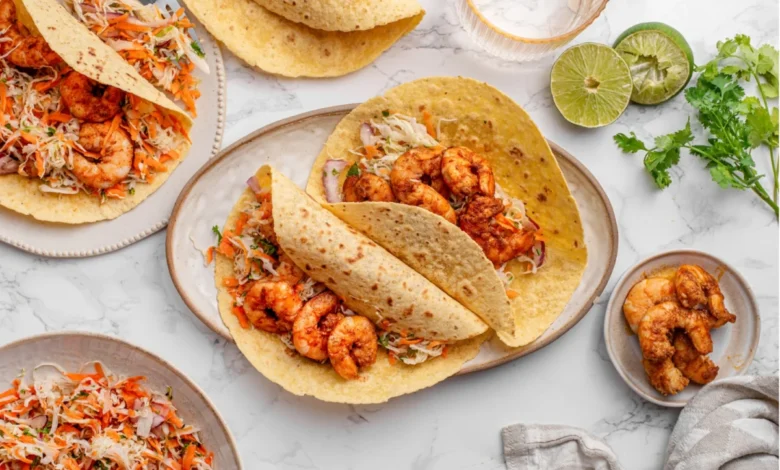
The culinary landscape of the 21st century has seen a steady convergence of traditional Mediterranean principles and global flavor profiles, a trend exemplified by the increasing popularity of nutrient-dense, rapid-preparation dishes like the pan-seared shrimp taco. While deep-frying remains a staple in various street food traditions, modern home-cooking shifts have favored high-heat, minimal-oil techniques that preserve the integrity of lean proteins. This evolution reflects a broader movement toward health-conscious, time-efficient, and sustainable meal preparation that mirrors the Mediterranean diet’s emphasis on whole, unprocessed ingredients.
The Shift Toward High-Heat, Low-Fat Preparation
For decades, the standard for "fried" shrimp dishes was synonymous with heavy breading and immersion in high-volume fats. However, current nutritional trends and culinary practices have fundamentally changed this approach. In contemporary kitchens, the term "fried" is increasingly applied to pan-searing, where the primary objective is to develop a Maillard reaction—the chemical process responsible for the browning and flavor complexity of cooked proteins—using only a small amount of extra virgin olive oil.
This transition is not merely a stylistic choice but a strategic adaptation to modern lifestyle constraints. Data from recent consumer behavior studies suggest that the average home cook seeks meal solutions that require fewer than 40 minutes of total preparation time. By utilizing a high-heat, single-layer skillet technique, chefs and home cooks alike can achieve the desired texture of a crispy exterior and a tender interior without the caloric burden or the cleanup associated with deep-frying.
Culinary Methodology: Precision and Timing
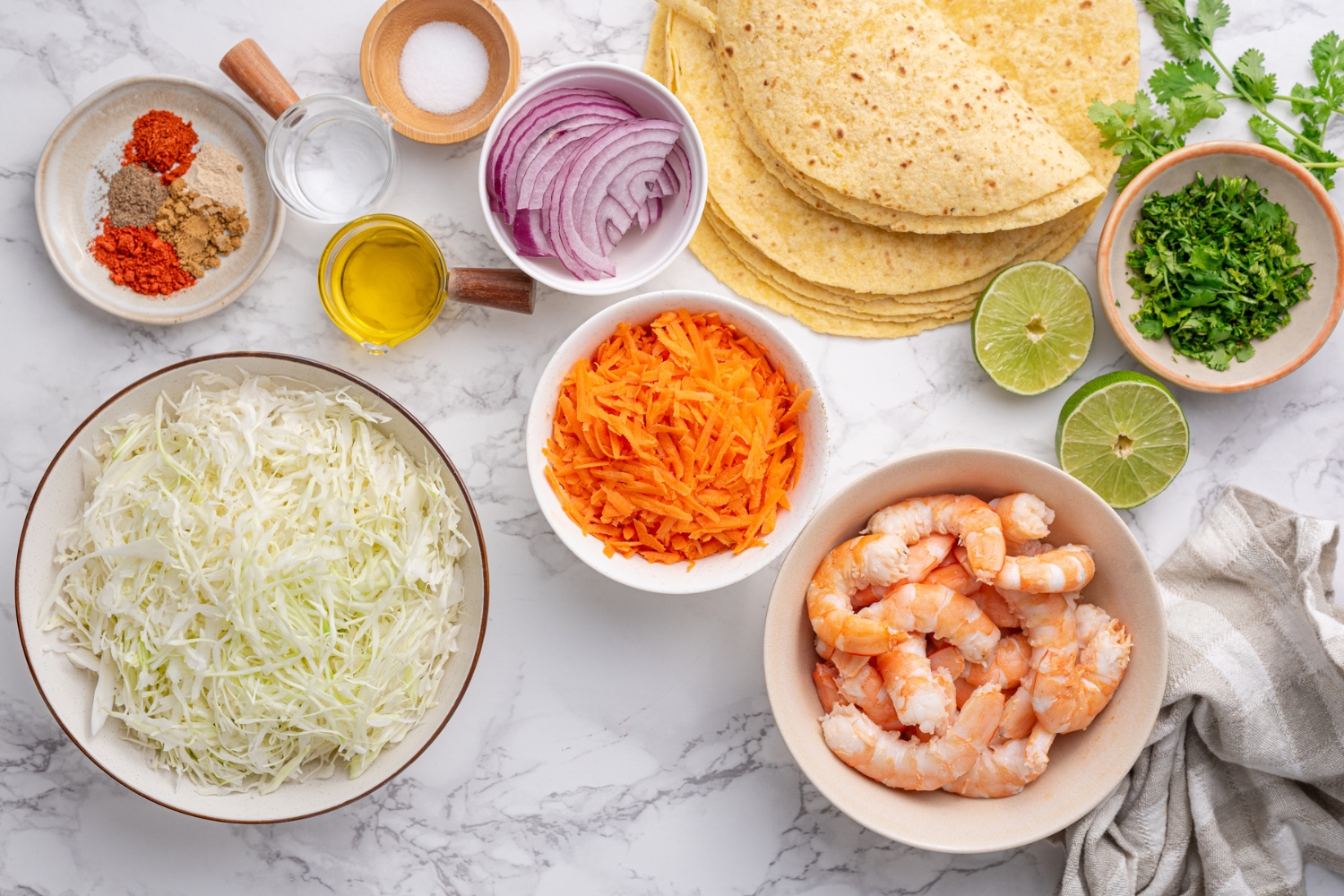
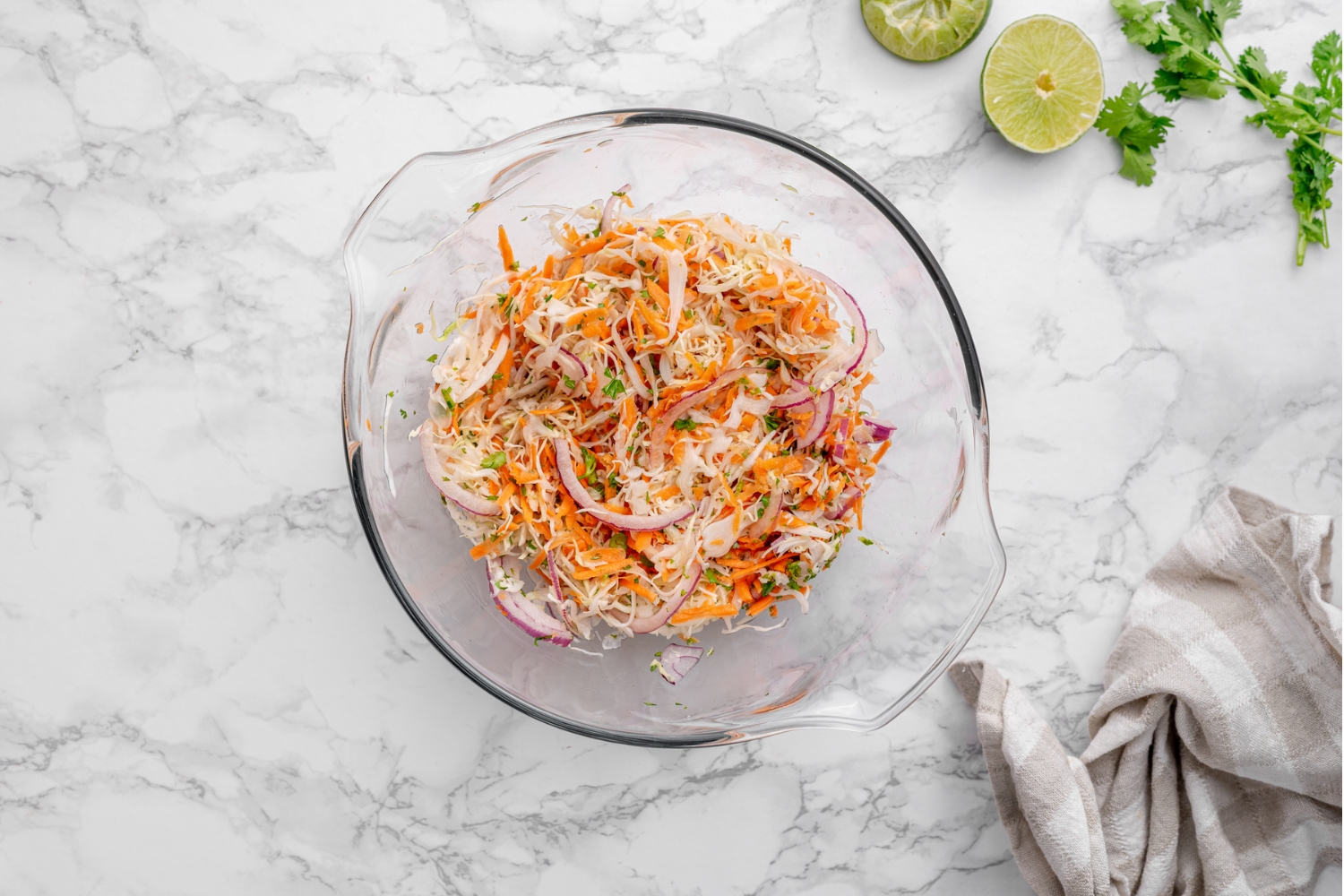
The effectiveness of this dish relies on a precise, three-stage preparation chronology. First, the development of the cilantro-lime slaw serves as the acidic, textural counterpoint to the protein. By combining shredded cabbage, carrots, red onion, and fresh cilantro with a mixture of lime juice and white wine vinegar, cooks initiate a brief marination period. Allowing this mixture to rest for at least 10 minutes is essential; it facilitates osmotic pressure, which softens the vegetables while maintaining a firm, crunchy structure.
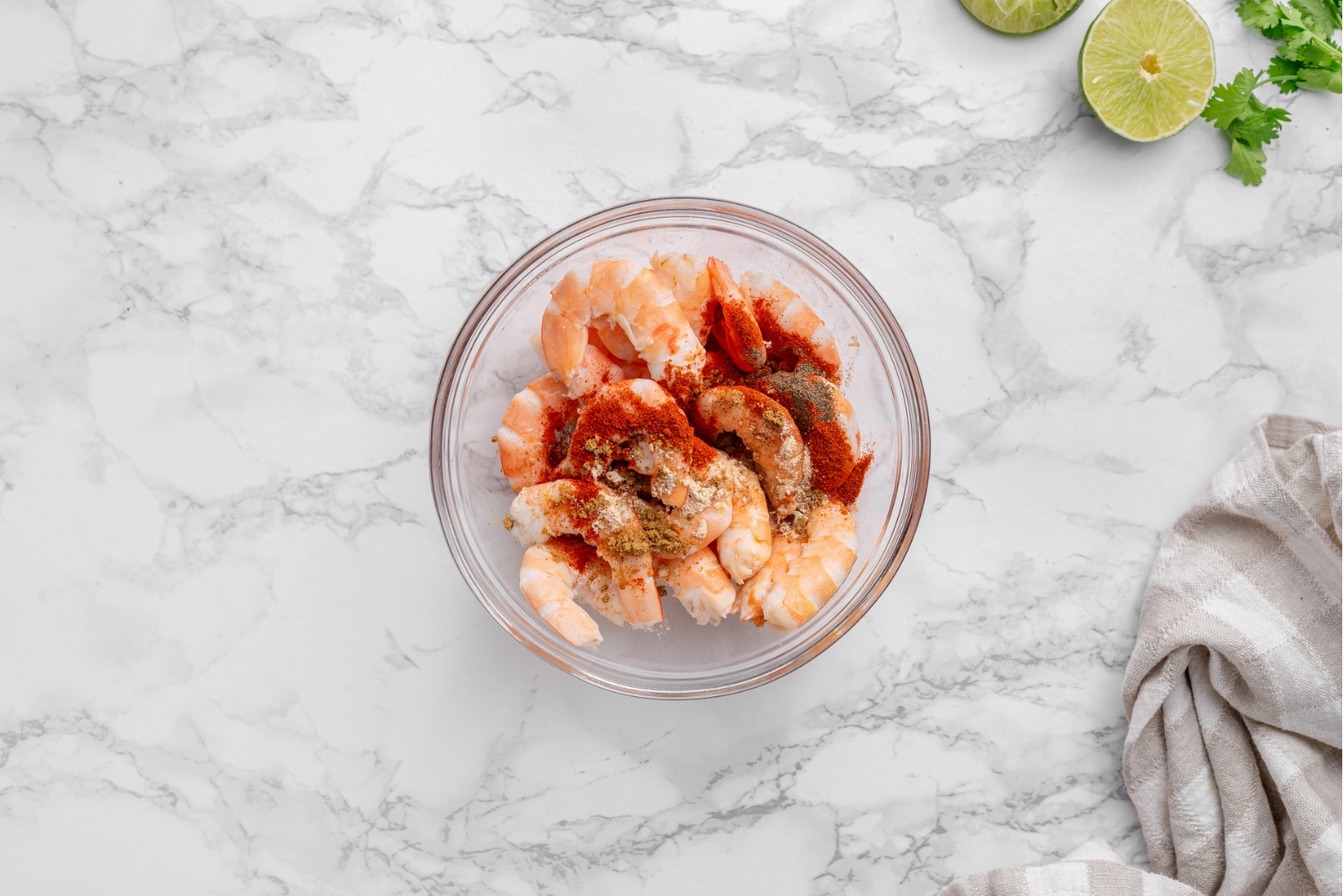
Second, the seasoning phase involves a dry-rub technique. The selection of garlic powder, cumin, cayenne, paprika, black pepper, and salt is deliberate, aimed at providing a savory, earthy foundation that complements the natural sweetness of the shrimp. Crucially, the removal of surface moisture via paper towels is a scientifically backed step. Water content on the surface of the shrimp acts as a thermal barrier, causing the protein to steam rather than sear. By ensuring the shrimp are dry, the chef maximizes the contact with the skillet, resulting in a more efficient heat transfer and a more visually appealing, golden-brown crust.
Third, the searing process itself requires active management. Experts recommend a medium-high heat setting with extra virgin olive oil, which possesses a smoke point sufficient for this application. Cooking in batches is the final, most critical technical requirement. When the skillet is overcrowded, the temperature of the cooking surface drops rapidly, and the release of steam from the shrimp creates a humid environment that prevents proper browning. Maintaining a single layer ensures each piece of shrimp is exposed to the intense heat necessary for a 1-to-2-minute cook time per side.
Nutritional Implications and Dietary Context
From a nutritional perspective, the integration of shrimp into a regular diet is supported by various health organizations. Shrimp are a high-protein, low-carbohydrate food source, containing essential micronutrients such as selenium, vitamin B12, and omega-3 fatty acids. When paired with fiber-rich cruciferous vegetables like cabbage and the monounsaturated fats found in olive oil, the dish aligns with the core tenets of the Mediterranean diet.
This diet, recognized by many public health institutions as a benchmark for cardiovascular wellness, prioritizes the intake of plant-based foods, healthy fats, and high-quality proteins. The use of lime juice as a primary acid source in the slaw is particularly notable; it replaces the need for mayonnaise or other fat-heavy binders, further lowering the overall glycemic and caloric load of the meal. By avoiding heavy sauces, the natural flavors of the produce and the protein remain the focal point, a hallmark of Mediterranean-style culinary philosophy.
Practical Considerations for Modern Households
The adaptability of this recipe makes it a subject of interest for those managing busy schedules. Because the components—the slaw, the seasoning blend, and the proteins—can be prepared or organized in advance, the dish serves as a viable option for both weeknight meals and social gatherings. Culinary educators often cite this dish as a primary example of "assembly-style" dining, where the cook provides the base components and the diners customize their portions, a practice that reduces the pressure on the host while allowing for dietary flexibility.
Regarding leftovers, food safety protocols dictate that the components should be stored independently. The primary challenge in storing pre-assembled tacos is the degradation of the corn tortilla, which absorbs moisture from the slaw and shrimp, leading to a loss of structural integrity. By keeping the slaw, shrimp, and tortillas in separate, airtight containers, the shelf life of the components is preserved. Reheating the shrimp gently and warming the tortillas individually before service ensures that the final product maintains a quality level comparable to its freshly prepared state.
Industry Perspectives on Mediterranean-Style Cooking
Culinary professionals and nutritionists have noted that the "Mediterraneanization" of classic global dishes—such as the taco—represents a significant shift in how people view food quality. It is no longer sufficient to provide a calorie-dense meal; there is an increasing demand for "functional flavor," where the ingredients serve a dual purpose of providing sensory pleasure and physiological benefit.
The use of fresh cilantro, for instance, provides a high concentration of antioxidants, while red onions contribute polyphenols. In this context, the taco is transformed from a simple handheld food into a vessel for diverse nutrients. Analysts in the food service industry indicate that this trend is likely to continue, as consumers become more educated about the sourcing and preparation methods of their meals. The emphasis on olive oil over refined vegetable oils, and the preference for fresh herbs over processed seasonings, are indicators of a market-wide pivot toward traditional, Mediterranean-influenced cooking techniques.
Conclusion: A Synthesis of Tradition and Utility
The pan-seared shrimp taco is more than a simple recipe; it is a synthesis of traditional Mediterranean cooking logic and modern, high-speed culinary requirements. By focusing on the scientific principles of heat transfer, the importance of fresh, fiber-rich accompaniments, and the health benefits of high-quality fats, this dish offers a template for the future of home cooking. It satisfies the requirement for speed without compromising on nutritional quality or flavor complexity. As the global palate continues to evolve, the integration of such techniques will likely remain a cornerstone of home-based nutrition, proving that sophisticated, healthy, and flavorful meals can be achieved with minimal equipment and a clear understanding of fundamental culinary techniques.