Beyond the Basics: Unpacking the Culinary Versatility and Nutritional Power of Scrambled Eggs, From Classic Preparations to Global Innovations

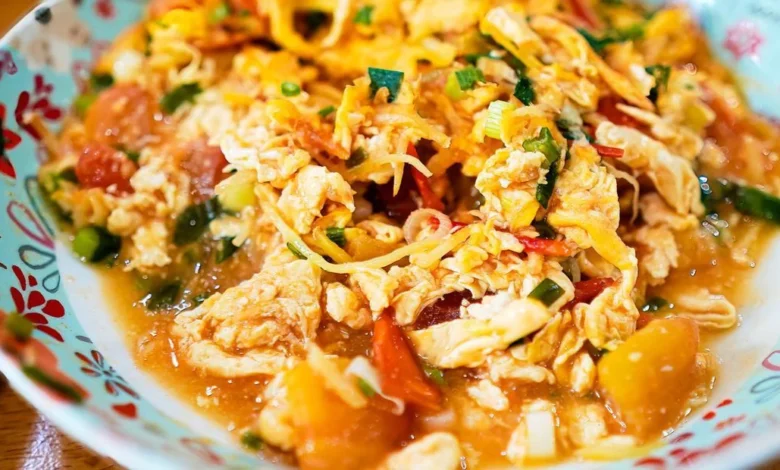
Jakarta, Indonesia – In the realm of everyday cuisine, few ingredients boast the universal appeal and nutritional potency of the humble egg. While fried and boiled eggs remain popular choices, the scrambled egg stands out as a true culinary chameleon, offering endless possibilities for flavour enhancement and nutritional enrichment. Far from being a mere breakfast staple, scrambled eggs have evolved into a versatile dish capable of anchoring a nutritious meal at any time of day, particularly when infused with fresh vegetables, lean proteins, and aromatic spices. This adaptability, combined with its inherent health benefits, solidifies the scrambled egg’s status as a go-to option for home cooks and professional chefs alike.
The Enduring Appeal of Eggs in Global Cuisine
Eggs have been a fundamental part of human diets for millennia, prized for their accessibility, affordability, and comprehensive nutritional profile. Archaeological evidence suggests that humans have been consuming eggs since prehistoric times, with their widespread domestication and farming becoming prominent with the rise of agriculture. Today, chickens are the primary source of eggs globally, though duck, quail, and other bird eggs are also consumed in various cultures. According to data from the Food and Agriculture Organization of the United Nations (FAO), global egg production has steadily increased over the past decades, reflecting a consistent demand driven by population growth and a growing recognition of eggs as a vital food source. In 2022, global egg production surpassed 88 million metric tons, underscoring their critical role in food security and nutrition worldwide.
From a nutritional standpoint, eggs are often lauded as a "superfood." A single large egg contains approximately 6 grams of high-quality protein, making it an excellent source of all nine essential amino acids necessary for muscle repair, growth, and overall bodily function. Beyond protein, eggs are rich in a spectrum of vitamins and minerals, including Vitamin D, Vitamin B12, riboflavin (B2), selenium, and choline. Choline, in particular, is a crucial nutrient for brain health, nerve function, and metabolism, and eggs are one of the best dietary sources. Contrary to past concerns about cholesterol, contemporary nutritional science generally affirms that for most healthy individuals, dietary cholesterol from eggs has minimal impact on blood cholesterol levels, leading health organizations worldwide to remove previous recommendations limiting egg consumption. This shift in scientific understanding has further bolstered the egg’s reputation as a cornerstone of a balanced diet.
Scrambled Eggs: A Culinary Canvas for Creativity
The beauty of scrambled eggs lies in their inherent simplicity and incredible capacity for transformation. The basic preparation involves whisking eggs and cooking them gently in a pan, stirring occasionally to create soft, fluffy curds. However, this fundamental technique serves as a foundation for myriad variations, each reflecting regional tastes and culinary traditions. From the creamy, slow-cooked French style, often enriched with butter or crème fraîche, to the firmer, more robust American diner-style scrambles, and the spicy, vibrant egg bhurji of Indian cuisine, the scrambled egg adapts effortlessly to diverse palates.
As a breakfast item, scrambled eggs hold a place of honour globally. They offer a quick and satisfying start to the day, providing sustained energy thanks to their protein content. This helps to promote satiety, reducing the likelihood of mid-morning snacking and contributing to better weight management. Beyond breakfast, scrambled eggs transition seamlessly into light lunches or quick dinners, particularly when augmented with additional ingredients that elevate both flavour and nutritional value. The original article highlights this versatility, suggesting that a simple scramble can be transformed into a gourmet experience with the right additions, moving beyond the familiar confines of plain preparation.
Nutritional Benefits of a Protein-Rich Breakfast
Starting the day with a protein-rich meal is a practice widely endorsed by nutritionists and dieticians for its profound health benefits. Protein plays a vital role in regulating blood sugar levels, which helps to prevent energy crashes and maintain cognitive function throughout the morning. It also contributes to the synthesis of hormones and enzymes, supports the immune system, and aids in the repair and building of tissues. Eggs, with their complete protein profile, are an ideal component of such a breakfast.
Integrating vegetables and other healthful ingredients into scrambled eggs further amplifies their nutritional impact. For instance, combining eggs with tomatoes, as suggested in one of the recipes, introduces lycopene, a powerful antioxidant known for its potential benefits in cardiovascular health and cancer prevention. Adding leafy greens like lettuce or cruciferous vegetables like mushrooms infuses the dish with dietary fibre, vitamins (such as Vitamin K and Vitamin A), and additional minerals, contributing to digestive health and overall well-being. The inclusion of lean meats like sausage, as seen in another recipe, provides extra protein and flavour, though moderation is key to maintaining a balanced nutritional profile.
Innovating Scrambled Eggs: Recipes for Enhanced Flavor and Nutrition
The original article provides three distinct and delectable recipes that showcase the boundless potential of scrambled eggs. Each recipe offers a unique flavour profile and nutritional boost, transforming the simple egg into a satisfying and wholesome meal.
1. Resep Tumis Telur Tomat (Tomato and Egg Stir-fry)
This recipe, with its origins tracing back to Chinese culinary traditions, exemplifies how a few simple ingredients can create a dish bursting with flavour and nutrition. The combination of eggs and tomatoes is a classic, celebrated for its vibrant colours and harmonious tastes. The cooking process typically involves a quick stir-fry, ensuring the vegetables retain some of their texture and nutrients while the eggs become fluffy.
Background and Nutritional Insights:
Tomato and egg stir-fry (西紅柿炒雞蛋, Xīhóngshì chǎo jīdàn) is a beloved comfort food in China, often served with rice. The dish leverages the natural sweetness and acidity of tomatoes, which perfectly complement the richness of eggs. Nutritionally, tomatoes are an excellent source of Vitamin C, potassium, and antioxidants, particularly lycopene. Cooking tomatoes, especially with a little oil, enhances the bioavailability of lycopene, making this dish particularly beneficial. The inclusion of ingredients like onion and garlic not only adds depth of flavour but also brings their own health benefits, such as anti-inflammatory properties. Kaldu jamur (mushroom broth powder) provides an umami punch, elevating the overall taste profile without relying on excessive salt.
Inferred Recipe Details (Expanding from original):
- Durasi (Duration): Approximately 30 minutes
- Tingkat Kesulitan (Difficulty Level): Mudah (Easy)
- Porsi (Servings): 2
- Daerah Asal Masakan (Origin): China
- Kategori Masakan (Category): Telur (Egg)
Bahan Bahan (Ingredients):
- 4 large eggs, lightly beaten
- 2 medium tomatoes, diced or cut into wedges
- 1/2 large onion, thinly sliced
- 2 cloves garlic, minced (optional, for added aroma)
- 1 spring onion, green parts thinly sliced (for garnish and flavour)
- 1 tablespoon cooking oil (e.g., vegetable oil, canola oil)
- 1/2 teaspoon black pepper
- 1/2 teaspoon mushroom broth powder (kaldu jamur) or chicken bouillon powder
- 1/4 teaspoon salt (adjust to taste)
- Pinch of sugar (optional, to balance tomato acidity)
Cara Memasak (Instructions):
- Prepare the Eggs: Lightly beat the eggs in a bowl with a pinch of salt and pepper. Set aside.
- Sauté Aromatics: Heat the cooking oil in a large non-stick pan or wok over medium-high heat. Add the sliced onion and minced garlic (if using) and sauté for 2-3 minutes until fragrant and softened.
- Cook Tomatoes: Add the diced tomatoes to the pan. Stir-fry for 3-5 minutes, allowing them to soften slightly and release their juices. If desired, add a pinch of sugar to enhance their natural sweetness and balance acidity.
- Add Eggs: Pour the beaten eggs over the tomatoes and onions. Let the eggs set for about 30 seconds before gently stirring them into the tomato mixture. Continue to stir occasionally until the eggs are cooked to your desired consistency – either soft and creamy or firmer curds.
- Season and Finish: Season the mixture with black pepper, mushroom broth powder, and adjust salt to taste. Stir well to combine all ingredients and ensure seasonings are evenly distributed.
- Serve: Transfer the Tumis Telur Tomat to a serving plate. Garnish with fresh slices of spring onion. Serve immediately with warm steamed rice for a complete and satisfying meal.
2. Resep Orak-arik Telur Tumis Lettuce (Scrambled Eggs with Sautéed Lettuce)
This recipe introduces a refreshing twist by incorporating crunchy lettuce and savory sausage into the scrambled eggs. It’s an excellent way to add fresh greens and extra protein, creating a more substantial and texturally diverse dish.
Nutritional and Culinary Highlights:
Lettuce, often overlooked in cooked dishes, provides a pleasant crispness and a mild, fresh flavour when lightly sautéed. It contributes essential vitamins like Vitamin K and Vitamin A, as well as dietary fibre. The addition of frankfurter beef sausage brings a smoky, umami depth and a significant protein boost, transforming the dish from a simple side into a robust main course. This recipe demonstrates how readily available ingredients can be combined to create a meal that is both delicious and nutritionally balanced.
Bahan (Ingredients):
- 1 tablespoon butter
- 30g onion, coarsely sliced
- 1 clove garlic, minced
- 2 frankfurter beef sausages, diagonally sliced
- 4 large chicken eggs, beaten
- 6 sheets of lettuce, roughly torn
- 1 tablespoon mushroom broth powder
- 1 tablespoon oyster sauce
- 1/2 teaspoon ground black pepper
- 1/2 teaspoon salt
Cara Memasak (Instructions):
- Melt Butter and Sauté Aromatics: Heat the butter in a large frying pan or wok over medium heat until melted. Add the coarsely sliced onion and minced garlic. Sauté for 2-3 minutes until the onion is translucent and the garlic is fragrant.
- Cook Sausage: Add the diagonally sliced beef sausages to the pan. Stir-fry for 3-4 minutes until they are slightly browned and firm.
- Add Eggs: Pour the beaten eggs into the pan. Allow the eggs to set for a moment before gently scrambling them with a spatula until large curds form.
- Incorporate Lettuce: Add the roughly torn lettuce to the pan. Stir gently for 1-2 minutes until the lettuce wilts slightly but still retains some of its crunch. Overcooking the lettuce will make it soggy.
- Season the Dish: Season the mixture with mushroom broth powder, oyster sauce, ground black pepper, and salt. Stir thoroughly to ensure all ingredients are well combined and evenly coated with the seasonings.
- Serve: Remove from heat immediately to prevent overcooking the lettuce. Serve the Orak-arik Telur Tumis Lettuce hot with steamed white rice for a fulfilling meal.
3. Resep Telur Orak-arik Campur Jamur (Mushroom Scrambled Eggs)
Mushrooms and eggs are a classic pairing, celebrated for their complementary textures and rich umami flavours. This recipe elevates the humble scramble with the earthy notes of button mushrooms, creamy milk, and a sprinkle of black sesame seeds for an elegant finish.
Flavour Synergy and Health Benefits:
Button mushrooms (champignons) offer a firm, chewy texture and a distinct earthy flavour that harmonizes beautifully with the creamy consistency of scrambled eggs. Mushrooms are a fantastic source of B vitamins, selenium, potassium, and antioxidants. They are also unique in being one of the few natural food sources of Vitamin D, especially when exposed to UV light. The addition of a small amount of milk or cream not only enhances the creaminess of the eggs but also contributes to their rich mouthfeel. Black sesame seeds add a delicate nutty flavour and a visual contrast, while also providing healthy fats, fibre, and minerals like calcium and iron.
Bahan (Ingredients):
- 2 tablespoons butter
- 1/4 finely chopped onion
- 5 button mushrooms, thinly sliced
- 1 tablespoon mushroom broth powder
- 1/2 teaspoon ground black pepper
- 2 tablespoons liquid milk (full cream or low-fat)
- 1/2 teaspoon salt
- 4 large chicken eggs
- Taburan (Garnish): Black sesame seeds
Cara Memasak (Instructions):
- Melt Butter and Sauté Aromatics: Heat the butter in a non-stick pan over medium heat until melted. Add the finely chopped onion and sauté for 2-3 minutes until translucent and fragrant.
- Cook Mushrooms: Add the thinly sliced button mushrooms to the pan. Sauté for 3-5 minutes, stirring occasionally, until the mushrooms have softened, released their moisture, and turned golden brown. This process deepens their flavour.
- Season the Mixture: Season the mushrooms and onions with mushroom broth powder, ground black pepper, and salt. Stir well to combine. Pour in the liquid milk and stir until it gently simmers and slightly thickens.
- Add Eggs and Scramble: Crack the four eggs directly into the pan with the mushroom mixture. Reduce the heat to low. Allow the eggs to begin setting around the edges without stirring for about 30 seconds.
- Gentle Scrambling: Gently stir the eggs with a spatula, pushing them from the edges towards the centre, creating large, soft curds. Continue cooking and stirring slowly until the eggs are cooked through but still moist and creamy. Avoid overcooking to maintain their tender texture.
- Serve and Garnish: Remove the pan from the heat. Transfer the mushroom scrambled eggs to a serving plate. Generously sprinkle black sesame seeds over the top for an added nutty flavour and appealing presentation. Serve warm immediately.
Beyond the Recipes: Exploring Global Scrambled Egg Variations
The versatility of scrambled eggs extends far beyond these specific Indonesian-inspired recipes. Across the globe, various cultures have developed their unique takes on this simple dish, reflecting local ingredients and culinary philosophies:
- Huevos Rancheros (Mexico): While typically featuring fried eggs, many variations include scrambled eggs. This vibrant dish consists of eggs served on fried tortillas, topped with a fresh salsa of tomatoes, chili peppers, onion, and cilantro, often accompanied by refried beans and avocado.
- Menemen (Turkey): A quintessential Turkish breakfast, Menemen features scrambled eggs cooked with sautéed onions, green peppers, tomatoes, and often a touch of red pepper flakes, creating a rich and aromatic stew-like consistency.
- Akkawi Scrambled Eggs (Middle East): Incorporating salty Akkawi cheese, often with herbs like mint or parsley, these scrambled eggs offer a tangy and savoury profile, frequently served with pita bread.
- Indian Egg Bhurji: A spicy and flavourful dish from India, Egg Bhurji involves scrambling eggs with a medley of finely chopped onions, tomatoes, green chilies, ginger, and a blend of aromatic spices like turmeric, cumin, and garam masala. It’s often served with roti, paratha, or bread.
- French Scrambled Eggs (Œufs Brouillés): Known for their incredibly creamy texture, French scrambled eggs are cooked slowly over very low heat, often in a double boiler (bain-marie), with constant stirring until they reach a custardy consistency. They are typically finished with a knob of butter or a splash of cream.
- Japanese Tamagoyaki (Rolled Omelette): While technically a rolled omelette, Tamagoyaki shares the egg base and often incorporates dashi (Japanese broth), soy sauce, and sugar, cooked in thin layers and rolled into a rectangular shape. It demonstrates the precision and artistry of Japanese egg preparation.
These global variations underscore the egg’s adaptability and its integral role in diverse culinary landscapes, showcasing how a fundamental ingredient can be transformed through different techniques and flavour combinations.
The Economic and Agricultural Landscape of Egg Production
The egg industry is a significant component of the global agricultural economy. Major egg-producing countries include China, the United States, India, and Indonesia. The industry faces various challenges, including fluctuating feed costs, avian diseases, and environmental concerns related to waste management. However, it also presents substantial opportunities, particularly in developing nations where eggs offer an affordable and accessible source of high-quality protein, crucial for combating malnutrition. Innovations in farming practices, such as improved biosecurity measures and sustainable production methods, are continually being explored to ensure the stability and growth of the sector. The market for eggs also sees trends influenced by consumer preferences, such as demand for free-range, organic, or omega-3 enriched eggs, which command premium prices and reflect a growing consumer awareness of animal welfare and specific nutritional benefits.
Implications for Public Health and Culinary Trends
The evolution of dietary recommendations surrounding eggs has had a significant impact on public perception. The initial caution regarding dietary cholesterol in the mid-20th century led to a period where egg consumption was often limited. However, extensive research over recent decades has largely exonerated eggs, revealing that saturated and trans fats have a far greater impact on blood cholesterol levels for most people. This scientific consensus has led to a resurgence in the popularity of eggs as a healthy food choice.
In terms of culinary trends, the emphasis on healthy, quick, and customizable meals has kept scrambled eggs at the forefront. The rise of social media and food blogs has also popularized creative and visually appealing egg dishes, encouraging home cooks to experiment with ingredients and techniques. Furthermore, as dietary restrictions and preferences become more prevalent, the inherent versatility of scrambled eggs allows them to fit into various eating plans, from low-carb to vegetarian (when plant-based additions are used).
Conclusion
From a simple, protein-packed breakfast to an intricate, flavour-rich global dish, scrambled eggs embody culinary versatility and nutritional excellence. The recipes highlighted in the original article, whether featuring the vibrant tang of tomatoes, the refreshing crunch of lettuce, or the earthy depth of mushrooms, serve as a testament to the egg’s endless potential. As consumers increasingly seek out meals that are both convenient and health-conscious, the scrambled egg, with its robust nutritional profile and adaptability, will undoubtedly continue to hold its cherished place as a timeless staple in kitchens around the world, proving that sometimes, the simplest ingredients yield the most profound culinary experiences.