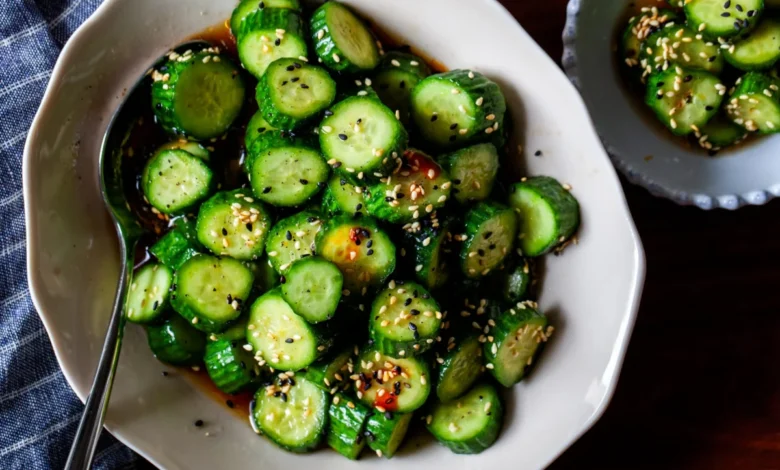
After nearly twenty years of digital recipe curation and culinary documentation, the prominent food blog Smitten Kitchen has officially addressed a glaring omission in its extensive archive: the humble, yet endlessly versatile, cucumber. Despite serving as a dietary staple consumed multiple times per week in households across the globe, cucumbers have historically been underrepresented in formal recipe indices. This absence is primarily attributed to the casual, spontaneous nature of preparing cucumber-based dishes, which traditionally require little to no meticulous recipe fine-tuning. However, to combat the relentless heatwaves characterizing the current summer season, the platform has standardized its most frequently prepared weeknight side dish, introducing a structured recipe for a Sesame and Rice Vinegar Cucumber Salad.
Culinary Origins and Preparation Methodology
The newly published recipe draws its primary culinary inspiration from sunomono, a traditional Japanese preparation whose literal translation means "vinegared things." Typically encompassing raw vegetables or seafood marinated in a sweet and tangy rice vinegar dressing, sunomono serves as a refreshing prelude or accompaniment to heavier meals.
However, the newly adapted version introduces distinct structural modifications optimized for modern home cooking. The updated method deliberately omits refined sugar, maintains a substantially chunkier vegetable cut than is traditionally observed, and streamlines the salting process. Rather than adhering to rigid timing protocols, the cucumbers are salted for variable durations—ranging from a rapid ten minutes to upwards of an hour—depending on the cook’s schedule.
This preliminary salting phase serves a crucial chemical function. By drawing out excess cellular moisture through osmosis, the salting process creates a structural moisture deficit within the cucumber slices. Consequently, when the dressing is applied, the vegetable tissue readily absorbs the complex flavor profile of the marinade rather than diluting it with native water content. The final dressing composition incorporates rice vinegar, sesame oil, soy sauce, black pepper, and optional supplementary salt, finished with a generous application of chili oil and toasted sesame seeds. Furthermore, culinary testing indicates that the dish possesses high structural integrity for meal preparation; leftovers can be stored in refrigeration for two to three days, during which the cucumbers undergo a gentle natural pickling process.

Integration into Weeknight Culinary Routines
Within domestic cooking routines, the sesame cucumber salad is positioned as an ideal accompaniment to high-temperature, savory meals such as stir-fries, noodle dishes, and potstickers—both homemade and commercially prepared. Due to its high demand and universal appeal within family settings, culinary tests indicate that scaling up the ingredient quantities is frequently necessary to prevent total consumption prior to meal service.
The launch of this recipe coincides with broader seasonal eating patterns characterized by a preference for cold, hydrating, and economically accessible ingredients. Cucumbers provide substantial nutritional value through high water content and dietary fiber while requiring minimal financial investment, making them an optimal dietary component during prolonged periods of elevated ambient temperatures.

Community Engagement and the 2026 Classroom Wishlist Project
In tandem with the culinary release, the platform has initiated its annual philanthropic initiative, the 2026 SK Classroom Wishlist Project. This community-driven campaign is designed to support educators by fulfilling supply requisitions necessary for establishing functional and successful learning environments at the commencement of the academic year.
The initiative directs public attention toward educational equity and resource allocation in public schools. Participants are encouraged to access a centralized digital spreadsheet containing direct links to educator registries. Recommendations for engagement include selecting educational institutions within local communities, prioritizing schools connected to personal histories, or searching registry descriptions for specialized classroom programs that align with individual philanthropic interests.

Broader Impact and Socioeconomic Implications
The convergence of home cooking content with large-scale philanthropic drives reflects a broader trend within digital food media, wherein established platforms leverage high audience engagement to mobilize collective action for social causes. Campaigns targeting classroom resource deficits address persistent structural funding shortages in public education, where educators frequently expend personal financial resources to acquire fundamental supplies such as writing instruments, paper, and instructional literature.
By integrating the rollout of a foundational summer recipe with a systemic call to action for educational support, the publication underscores the intersection of domestic life and community solidarity. The initiative highlights how digital communities can effectively channel everyday consumer habits toward measurable, positive socio-economic impacts at the local level, ensuring that foundational resources reach classrooms in need ahead of the upcoming academic term.