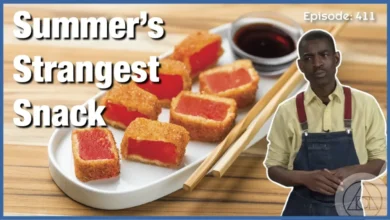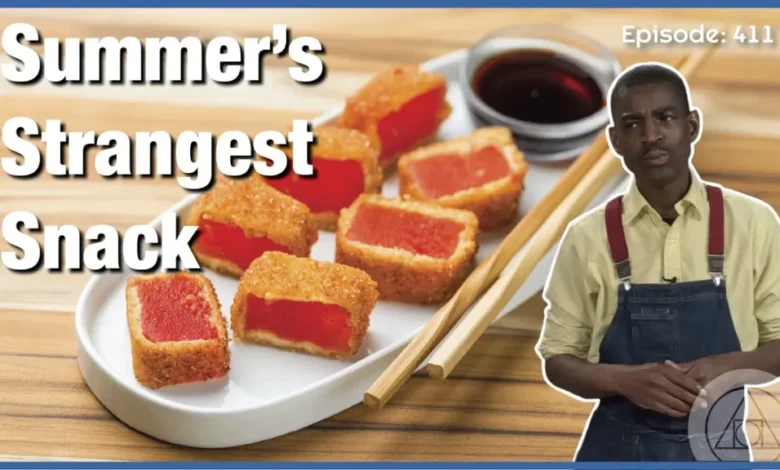
The intersection of modernist culinary techniques and traditional agricultural produce has long been a subject of fascination for chefs and food scientists alike. Among the most unconventional experiments to emerge from this pursuit is the deep-frying of melons—a process that challenges the conventional understanding of fruit structure, moisture content, and heat transfer. While watermelon, cantaloupe, and honeydew are typically enjoyed raw due to their high water content and delicate cellular walls, recent testing by the culinary series "We Transform Food" suggests that specific preparation methods can fundamentally alter these fruits, turning them into a warm, custard-like confection.
The Physics of Frying High-Moisture Produce
Deep frying is a method of dry-heat cooking that relies on the rapid evaporation of surface moisture to create a crispy exterior barrier, known as the Maillard reaction, while simultaneously cooking the interior. When applied to fruits with high water content—such as watermelon, which is approximately 92% water—the challenges are significant. The primary risk in frying any high-moisture item is the rapid expansion of steam, which can lead to structural collapse or the "soggy" effect, where the coating fails to adhere to the produce.
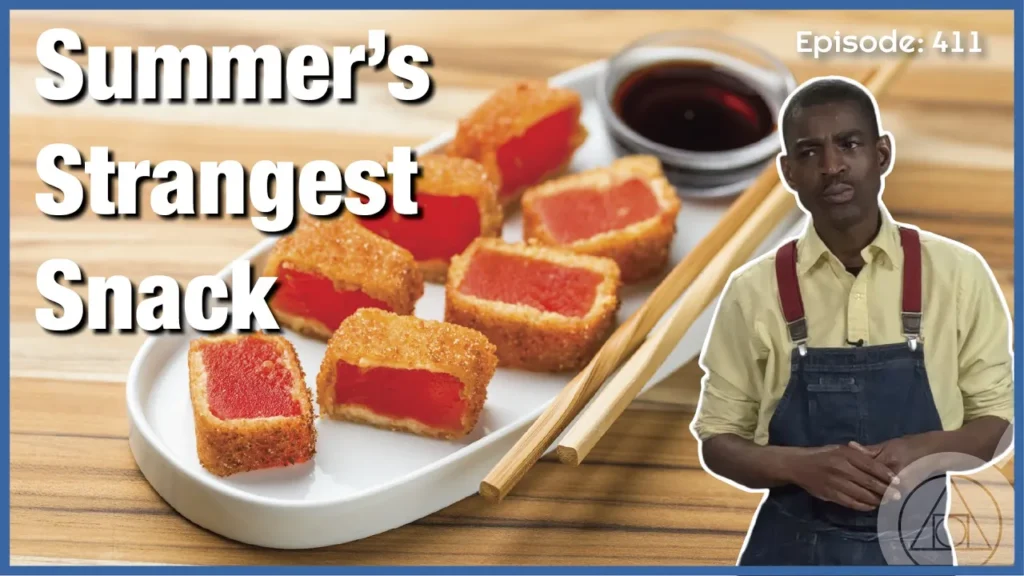
However, the recent experiments conducted during episode 411 of the "We Transform Food" series demonstrate that by manipulating the temperature of the oil and the composition of the batter, chefs can effectively create a "crisp jacket" around the fruit. As the fruit is submerged, the heat draws out the natural sugars, concentrating the flavor profile. This creates a thermodynamic reaction where the interior texture shifts from a fibrous solid to a semi-gelatinous, custard-like consistency. This transformation is not merely a novelty; it represents a precise application of heat to break down pectin—the structural glue of plant cell walls—without causing the fruit to disintegrate into a liquid state.
Chronology of Experimental Culinary Techniques
The history of deep-frying fruit is not entirely new, but the technical approach has evolved significantly over the last decade. In the mid-2000s, state fair culture in the United States popularized deep-fried candy bars and, eventually, deep-fried fruit variations such as bananas and peaches. These items, however, typically relied on high-sugar, high-starch profiles that are naturally more resilient to heat.
The shift toward experimenting with melons—which are significantly more temperamental—began in the early 2020s within the sphere of "Modernist Cuisine." The methodology developed for this specific experiment follows a strict timeline of preparation:
- Dehydration and Stabilization: The fruit is cut into uniform cubes to ensure even heat distribution. Some chefs utilize a mild vacuum-seal process or a light dusting of starch to draw out excess surface moisture before battering.
- The Enrobement Phase: A cold-temperature batter, often utilizing a mixture of rice flour and sparkling water, is applied to create a temporary thermal insulator.
- Flash-Frying: The item is submerged in oil heated between 350°F and 375°F. This specific temperature range is critical; it is high enough to flash-seal the batter before the melon’s internal steam can rupture the coating.
- Tempering: The finished product is rested, allowing the internal residual heat to finalize the texture shift without allowing the moisture to migrate back into the crust.
Supporting Data on Culinary Composition
To understand the viability of this technique, one must look at the chemical composition of the melons being used. Watermelon contains a significant amount of lycopene, an antioxidant that remains stable during heating. Cantaloupe and honeydew, meanwhile, possess higher levels of beta-carotene and vitamin C.
Data from the USDA National Nutrient Database indicates that while raw fruit provides essential micronutrients, the thermal processing involved in deep-frying alters the bioavailability of these nutrients. Specifically, the heat treatment can increase the absorption of fat-soluble vitamins (such as Vitamin A found in cantaloupe) while reducing the concentration of heat-sensitive vitamins like Vitamin C. From a caloric standpoint, the addition of a batter and frying medium transforms the fruit from a low-calorie, high-fiber snack into a high-density energy source. While this may be nutritionally significant, the culinary goal is strictly focused on the "memorable experience" of texture and flavor contrast.
Official Responses and Culinary Perspectives
Industry professionals have noted that the "We Transform Food" experiment serves as a case study for the broader "Molecular Gastronomy" movement. By taking a staple summer item and altering its physical state, the experiment prompts a re-evaluation of how consumers perceive "seasonal" versus "processed" food.
In a broader context, food science experts suggest that the success of such techniques relies heavily on the "cold-to-hot" differential. If the melon is frozen prior to battering, it may hold its shape better during the initial contact with the oil. However, this introduces the risk of ice crystals forming within the fruit, which can turn the interior mushy upon thawing. The consensus among test kitchens is that fresh, room-temperature fruit, treated with a high-viscosity batter, yields the most consistent result.
Broader Impact and Culinary Implications
The implications of these findings extend beyond the home kitchen. Restaurants looking to innovate their dessert menus are increasingly turning to "textural transformation" as a selling point. By manipulating common produce into something unrecognizable—such as a warm, fried watermelon cube that mimics the texture of a crème brûlée—chefs can drive engagement and provide an elevated sensory experience.
Furthermore, this experimental approach reflects a growing trend in culinary education: the move toward understanding the "why" behind the "how." By focusing on the scientific principles of water content, pectin breakdown, and thermal conductivity, platforms like "We Transform Food" are providing a roadmap for amateur chefs to experiment with their own ingredients.
This experimentation also highlights the resilience of certain produce. If a melon, which is essentially 90% water, can survive the intense environment of a deep fryer, it suggests that many other produce items previously considered "unfryable" could be candidates for similar culinary innovation. As food technology advances, we may see more widespread adoption of these techniques in both fine-dining and casual-dining environments.
The Role of Modernist Tools
The equipment used in such endeavors has also seen a shift. Modernist Pantry and similar outlets promote the use of precise thermal tools, such as digital immersion circulators for pre-heating and infrared thermometers for monitoring oil temperature. The reliance on this technology removes the guesswork from the process, shifting the culinary act from an "art" of intuition to a "science" of precise measurement.
As the series "We Transform Food" continues to explore these unconventional applications, the baseline for what constitutes a "transformed food" continues to rise. Whether or not deep-fried melon becomes a staple of modern gastronomy, the experiment serves as a successful demonstration of how scientific inquiry can lead to unexpected, and often delightful, culinary results. By challenging the traditional boundaries of how we prepare and consume common summer produce, chefs are proving that with the right application of heat, science, and creativity, even the most unlikely ingredients can be redefined.
The ongoing documentation of these processes on digital platforms provides a valuable repository of data for future chefs. It turns a temporary kitchen experiment into a durable reference point for culinary innovation, ensuring that as techniques evolve, the foundational knowledge remains accessible to the broader community of food enthusiasts and professionals alike. Through this lens, the act of frying a piece of fruit becomes a symbolic representation of the wider modern culinary movement: one that is unafraid to test, analyze, and ultimately transform the food on our plates.